Product 001PEP-5089
A first-in-class AR-NTD inhibitor
- Target
- AR-NTD
- Indication
- Prostate cancer
- Modality
- Small molecule
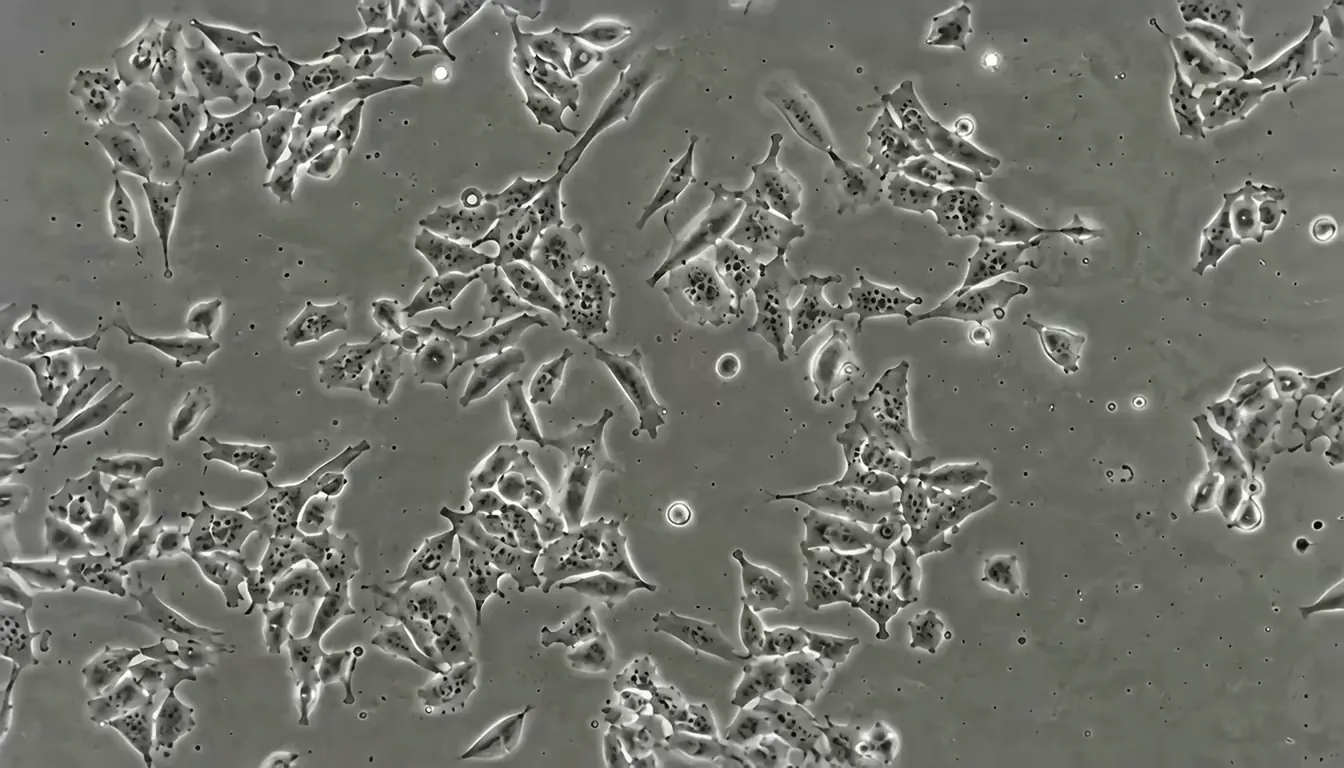
An illustrative film: cell-like forms dissolve to a tablet marked PEP-5089, and an open hand presents it on white.

PEP-5089 acts on the androgen receptor’s disordered N-terminal domain, the part resistant prostate cancers keep.
Why the androgen receptor
Most men die with the receptor still active
61 of 1011
men who died of prostate cancer had PSA, the receptor’s output, above 100 ng/mL
Deeper AR suppression tracks with longer survival
94%2
lower risk of death when PSA fell below 0.02 ng/mL on treatment
First-line care is built on the LBD
60.5%3
of first-line metastatic patients start on ADT plus an ARPI
Resistance routes around the LBD
20 to 75%4
of resistant tumors carry splice variants such as AR-V7, which drops the LBD entirely
The NTD carries most of the receptor’s activity
Up to 90%5
of AR activity runs through AF-1 in the disordered NTD
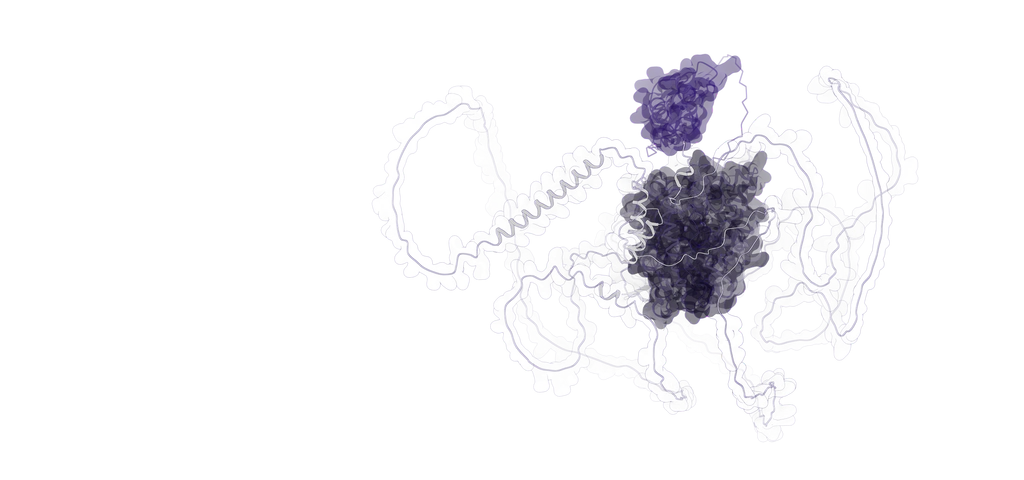
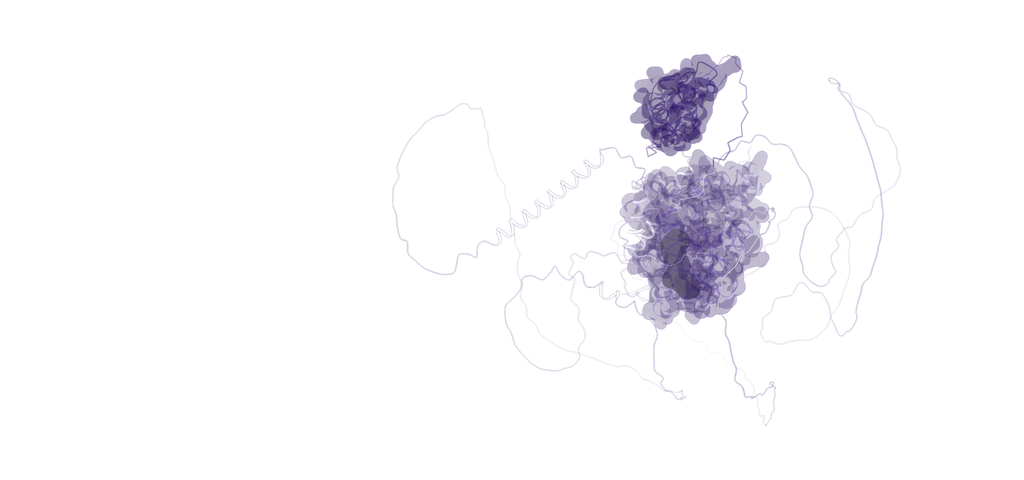
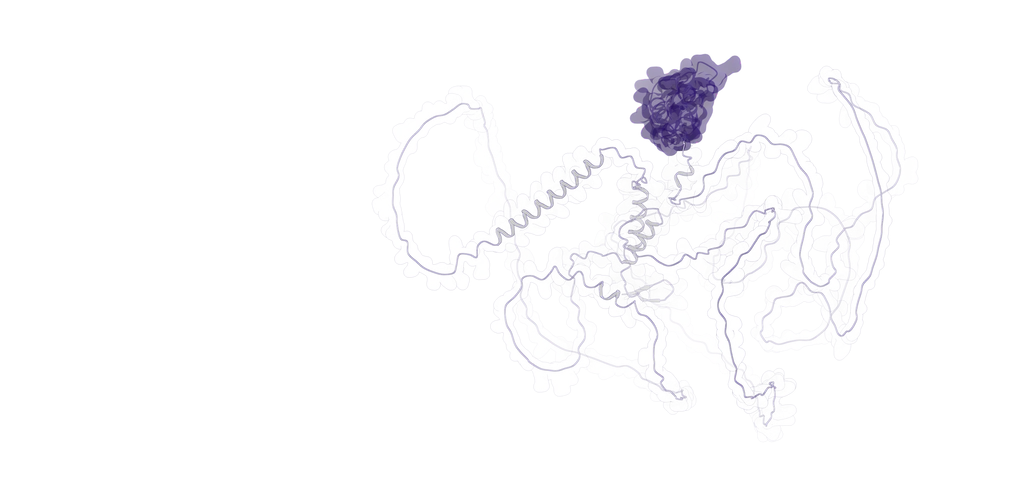
PEP-5089 binds the part every form of the receptor keeps
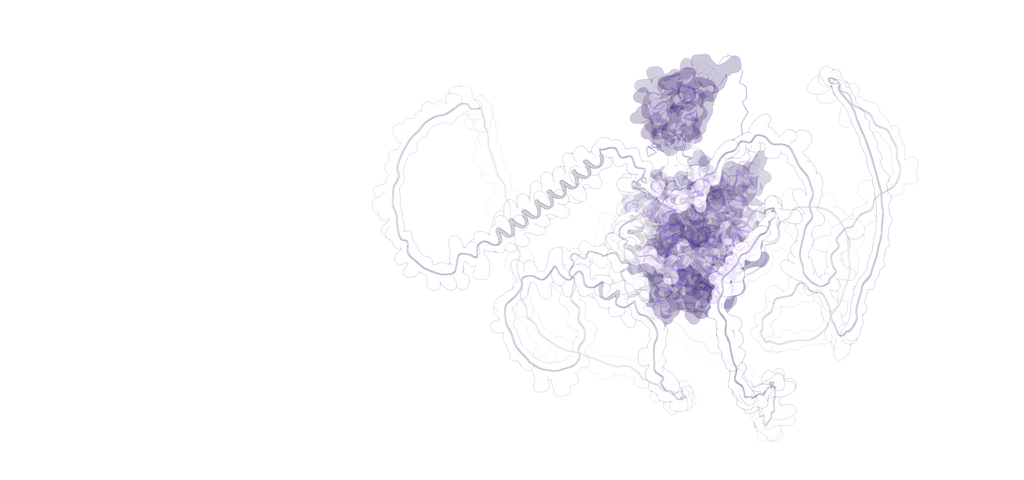
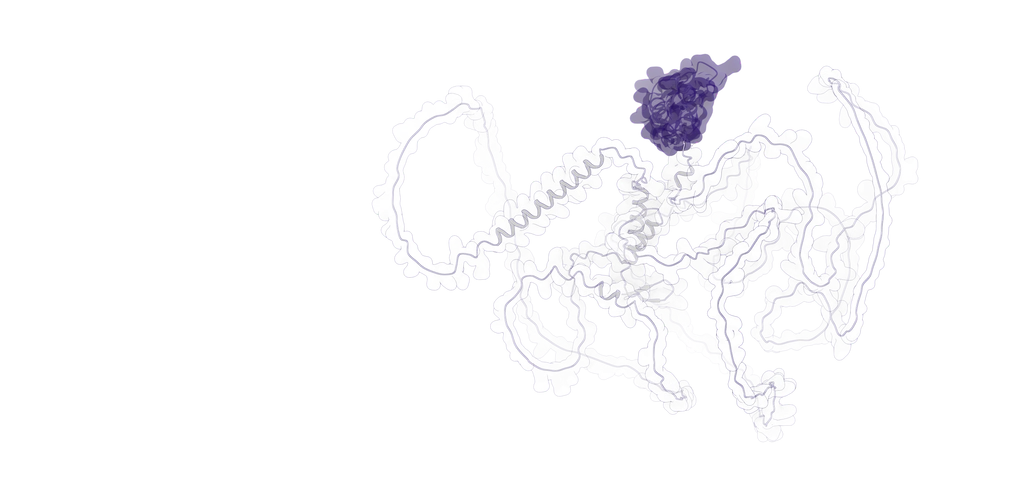
How it differs from the approved AR drugs
Approved ARPIs
Enzalutamide, Apalutamide, Darolutamide
Product 001PEP-5089
AR-NTD inhibitor
Where it binds
LBD
The folded ligand-binding domain, one end of the receptor
NTD
The disordered N-terminal domain, the other end, at domain level
AR-V7, the splice variant with no LBD
Inactive
Above 50,000 nM on the reporter
200 nM
Unbound IC50 on the same reporter
Resistance mutations in the LBD
1 to 2 of 6
Each benchmark inactive against four or more
6 of 6
All 6 stay sensitive
With enzalutamide saturating the LBD
Competed
One shared, competed site
Persists
NTD engagement persists: an independent site that pairs with care
Combined with enzalutamide or darolutamide
No synergy
Enzalutamide with darolutamide is additive in LNCaP at 0.4, and antagonistic in VCaP at −1.5, the opposite of synergy
3.6 to 8.1
Loewe synergy in both cell lines: 5.0 with enzalutamide and 4.8 with darolutamide in LNCaP, 3.6 and 8.1 in VCaP
Run alongside PEP-5089 in the same assays. Approved ARPIs shown: enzalutamide (Xtandi), apalutamide (Erleada), darolutamide (Nubeqa). Glyphs are schematic and drawn from the measured values; a filled dot is active, an open ring inactive at the top concentration. Triple A is L702H, F877L and T878A; Triple B is H875Y, F877L and T878A. The receptor bars follow UniProt P10275 domain spans; pins mark whole domains, never a binding site. On the synergy track each dot is one pairing’s Loewe score from the LNCaP and VCaP proliferation assays. Above 0 is synergy, near 0 additivity, below 0 antagonism.
Evidence
PEP-5089 overcomes ARPI resistance in patient tumor organoids
Both models are three-dimensional organoids grown from prostate tumor tissue taken from men whose cancer had already been treated with androgen deprivation or hormone therapy. Both tumors still carry abundant AR protein (IHC score 3 of 3), and in this assay neither is held by the approved ARPIs.
PR6513mCSPC
AR-V7-rich organoid from metastatic hormone-sensitive disease
Treated with hormone therapy, then recorded as hormone responsive.
AR
5.3AR-V7
3.0A large share of its receptor is AR-V7, a variant with no ligand-binding domain, so the ARPIs have nothing left to compete at.
Also carries a TMPRSS2-ERG fusion, a FOXA1 frameshift and mutations in TP53, CSNK2A1, CNOT3 and BCR.
| Dose step | PEP-5089 | Enzalutamide | Darolutamide |
|---|---|---|---|
| Step 1 of 9 | 108% | 120 ± 15% | 102 ± 27% |
| Step 2 of 9 | Not reported | 114 ± 13% | 107% |
| Step 3 of 9 | Not reported | 121 ± 13% | 82 ± 12% |
| Step 4 of 9 | 99% | 111 ± 16% | 94 ± 14% |
| Step 5 of 9 | 80% | 119 ± 7% | 95 ± 14% |
| Step 6 of 9 | 53 ± 6% | 110 ± 13% | 104 ± 10% |
| Step 7 of 9 | 25% | 120 ± 15% | 80 ± 18% |
| Step 8 of 9 | 24% | 103 ± 11% | 80 ± 12% |
| Step 9 of 9 | 25% | 104 ± 6% | 60 ± 10% |
PR9582mCRPC
Full-length AR organoid from metastatic castration-resistant disease
Treated with androgen deprivation, then recorded as non-responsive.
AR
4.8AR-V7
0.7Almost all of its receptor is full length, so the ARPIs still reach the ligand pocket. Its co-activator NCOA2 is amplified, and blocking that pocket is no longer enough.
Also carries a TMPRSS2-ERG fusion, AR duplications, MYC, TERT and IL7R amplification, PTEN loss and a FOXP1 mutation.
| Dose step | PEP-5089 | Enzalutamide | Darolutamide |
|---|---|---|---|
| Step 1 of 9 | Not reported | 94% | Not reported |
| Step 2 of 9 | 91 ± 9% | 96 ± 9% | Not reported |
| Step 3 of 9 | Not reported | 94 ± 7% | Not reported |
| Step 4 of 9 | 88% | 104 ± 12% | 114 ± 10% |
| Step 5 of 9 | 71 ± 5% | Not reported | 114% |
| Step 6 of 9 | 53% | Not reported | 123 ± 9% |
| Step 7 of 9 | 41% | 103% | 120 ± 5% |
| Step 8 of 9 | 36% | 101 ± 9% | Not reported |
| Step 9 of 9 | 23 ± 5% | 94 ± 8% | 81% |
| Dose step | PEP-5089 | Enzalutamide | Darolutamide |
|---|---|---|---|
| Step 1 | 108% | 120 ± 15% | 102 ± 27% |
| Step 2 | Not reported | 114 ± 13% | 107% |
| Step 3 | Not reported | 121 ± 13% | 82 ± 12% |
| Step 4 | 99% | 111 ± 16% | 94 ± 14% |
| Step 5 | 80% | 119 ± 7% | 95 ± 14% |
| Step 6 | 53 ± 6% | 110 ± 13% | 104 ± 10% |
| Step 7 | 25% | 120 ± 15% | 80 ± 18% |
| Step 8 | 24% | 103 ± 11% | 80 ± 12% |
| Step 9 | 25% | 104 ± 6% | 60 ± 10% |
| Dose step | PEP-5089 | Enzalutamide | Darolutamide |
|---|---|---|---|
| Step 1 | Not reported | 94% | Not reported |
| Step 2 | 91 ± 9% | 96 ± 9% | Not reported |
| Step 3 | Not reported | 94 ± 7% | Not reported |
| Step 4 | 88% | 104 ± 12% | 114 ± 10% |
| Step 5 | 71 ± 5% | Not reported | 114% |
| Step 6 | 53% | Not reported | 123 ± 9% |
| Step 7 | 41% | 103% | 120 ± 5% |
| Step 8 | 36% | 101 ± 9% | Not reported |
| Step 9 | 23 ± 5% | 94 ± 8% | 81% |
Collaborations
Sources
- 1
61 of 101Measured
Mount Sinai Genitourinary Cancer Biobank. PSA at time of death among 101 men who died of prostate cancer.
- 2
94%Measured
Saad F, et al. PSA nadir and overall survival in ARANOTE. European Urology Oncology, 2025.
PSA is induced by the receptor, so a nadir reads AR activity. This is an association between nadir and survival in men treated with androgen deprivation with or without darolutamide. It does not show that deeper inhibition by any new agent extends survival.
- 3
60.5%Measured
George DJ, et al. Real-world treatment of metastatic prostate cancer, PRECISION dataset. ASCO-GU, 2026.
- 4
20 to 75%Measured
Frequencies are source-reported, from different populations and definitions. They are not pooled head-to-head figures.
- 5
Up to 90%Measured
Source-reported
The 90% figure is source-reported biological context, not a Peptone measurement.
- 1