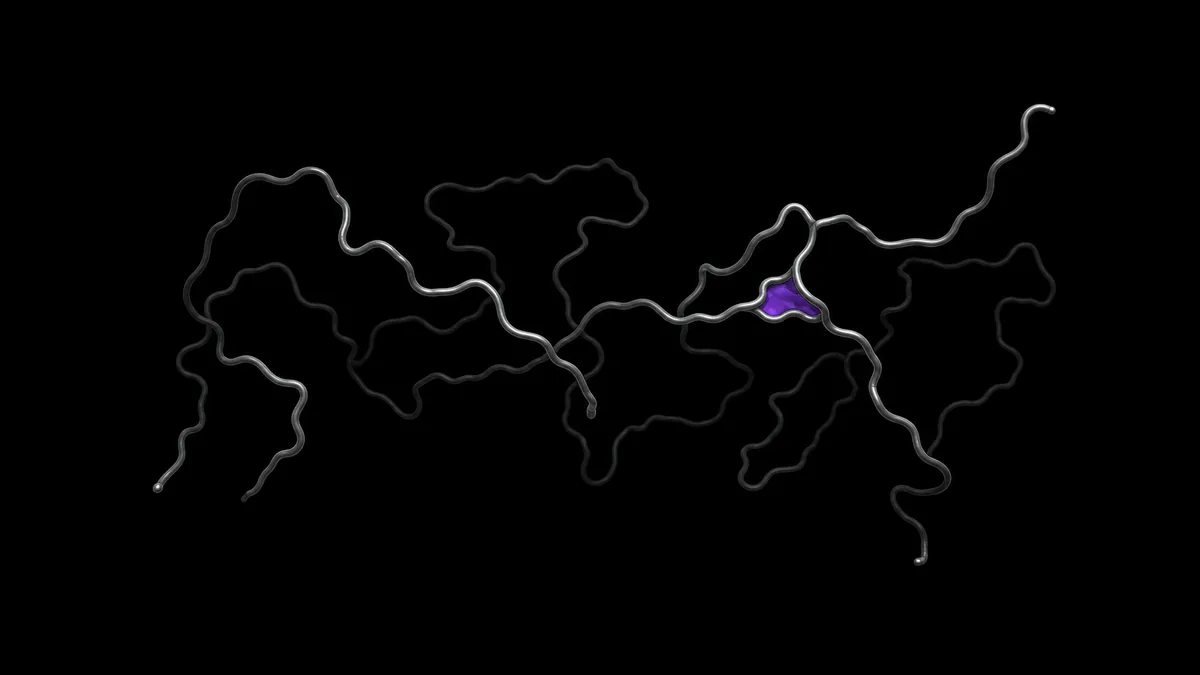
Resolve a rare pocket
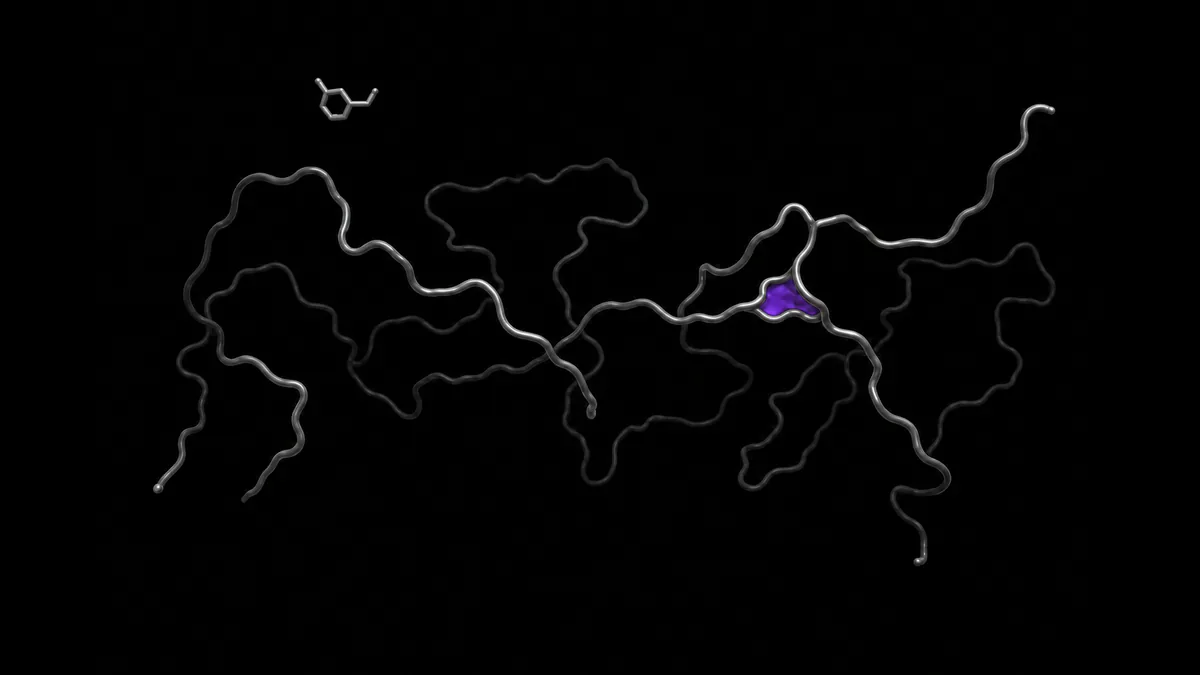
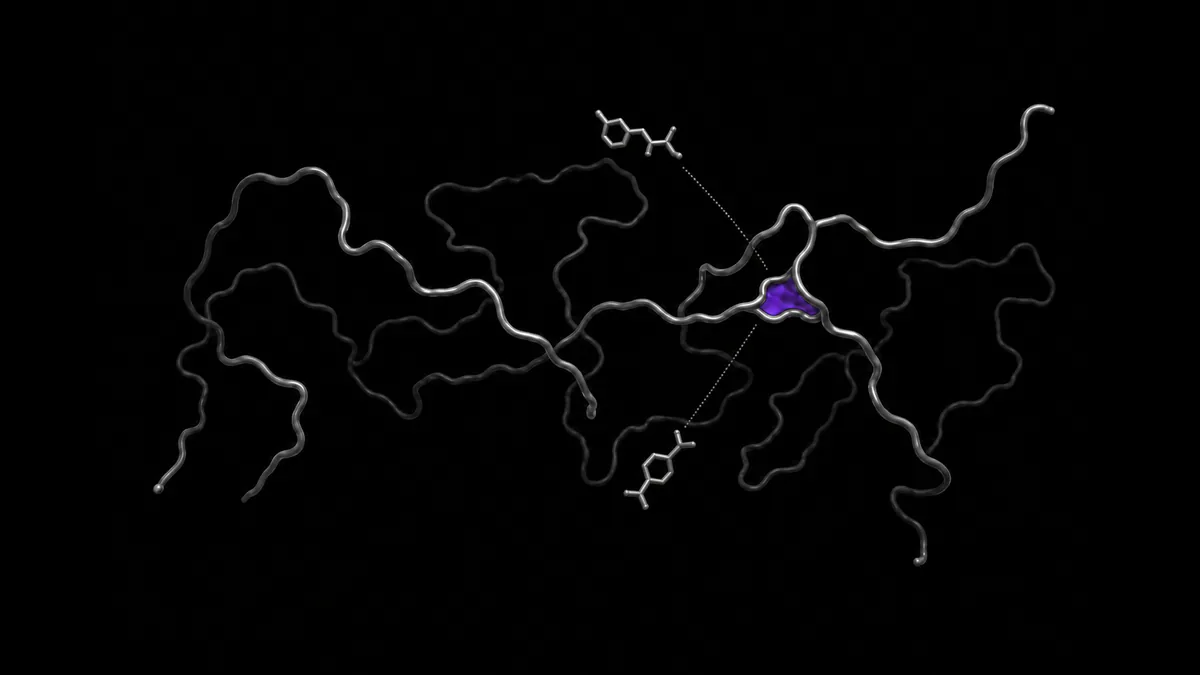
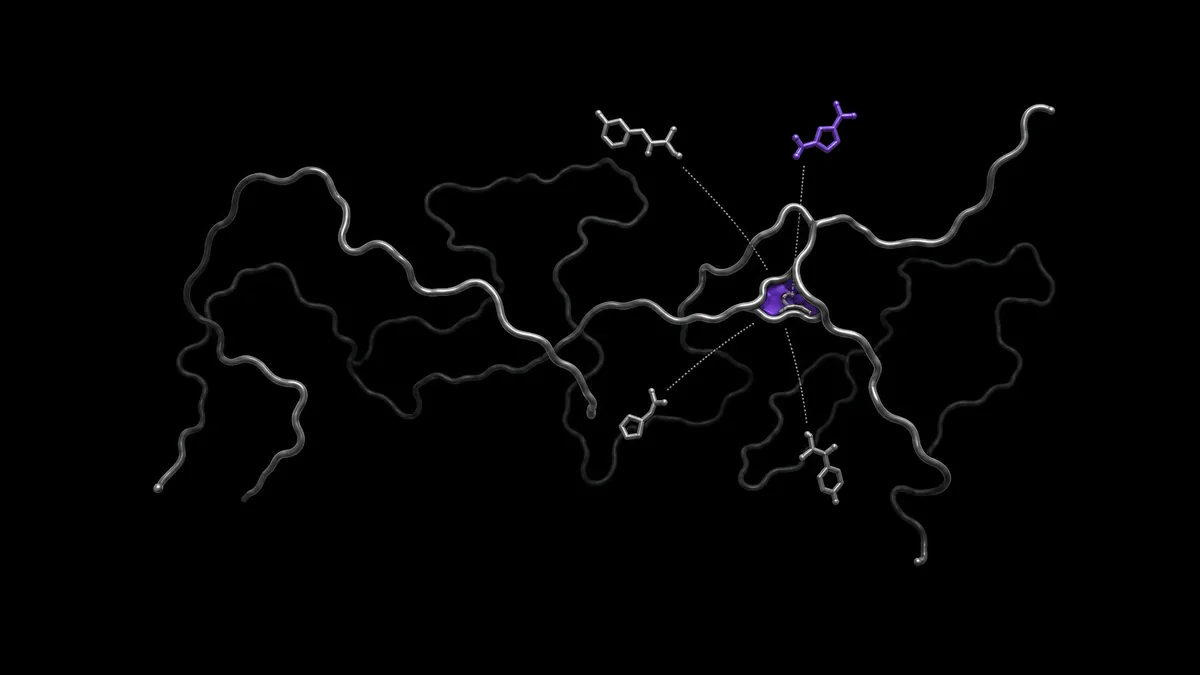
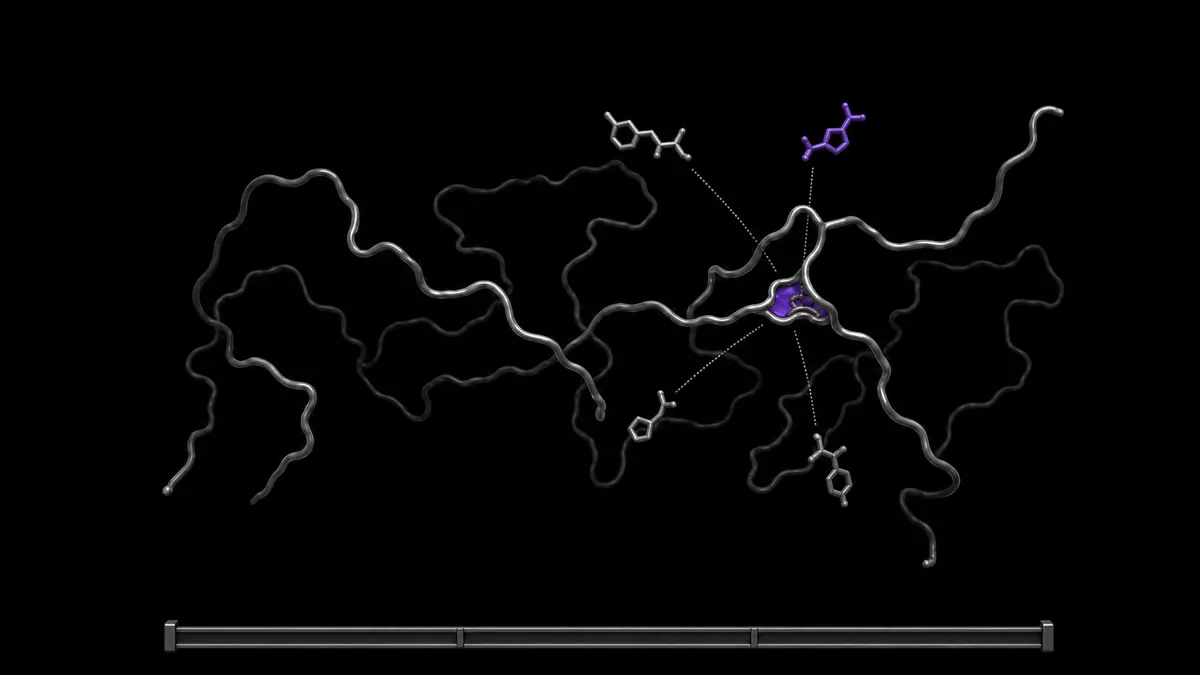
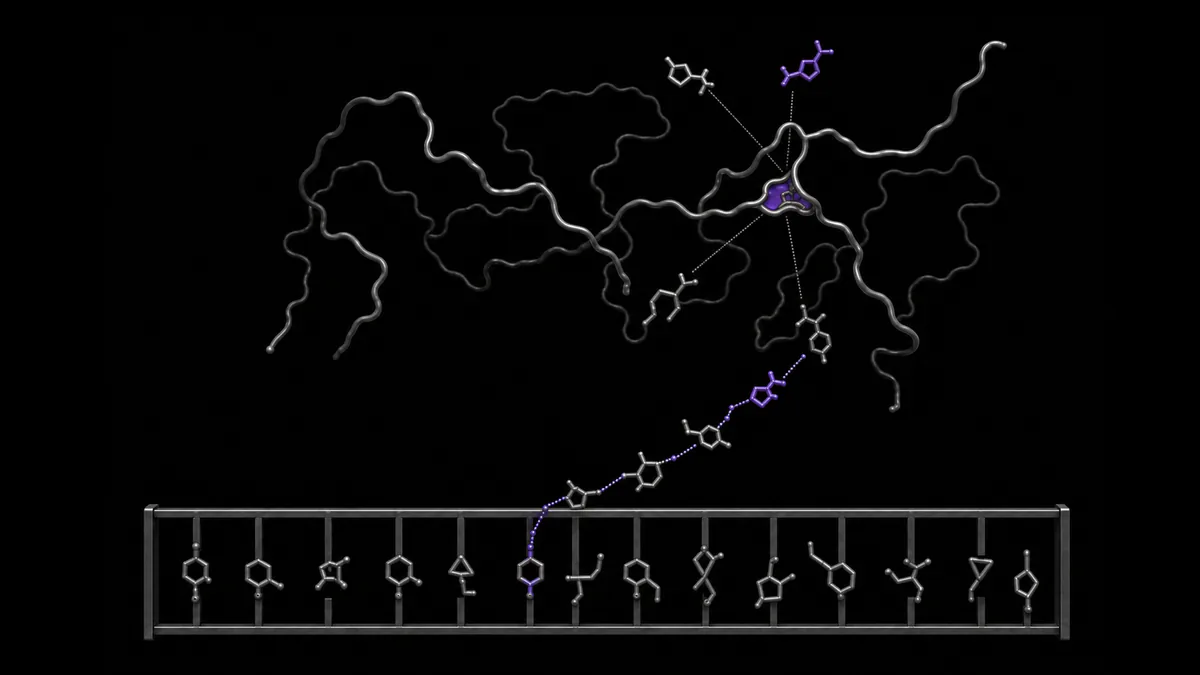
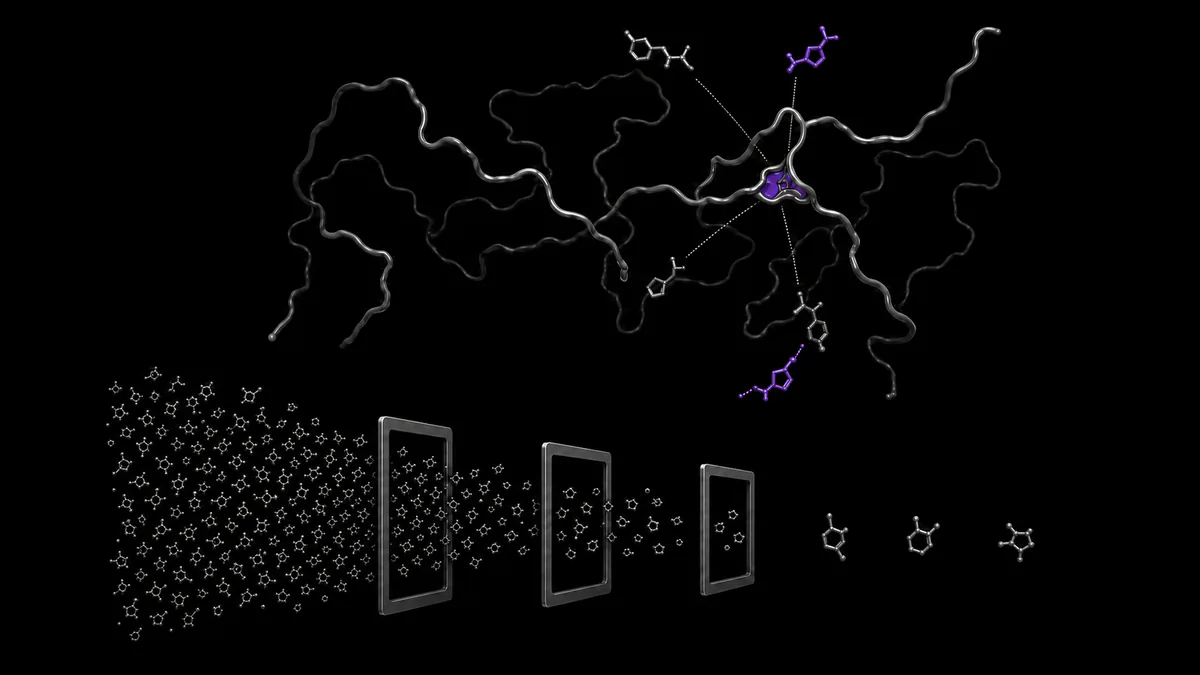
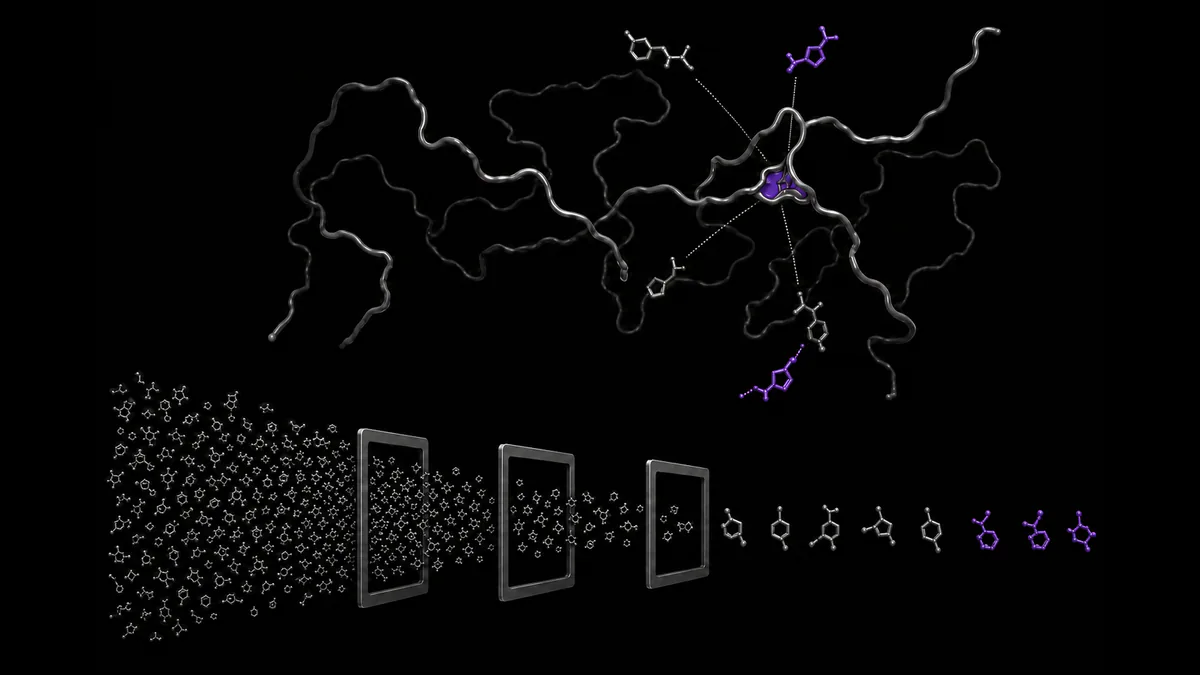
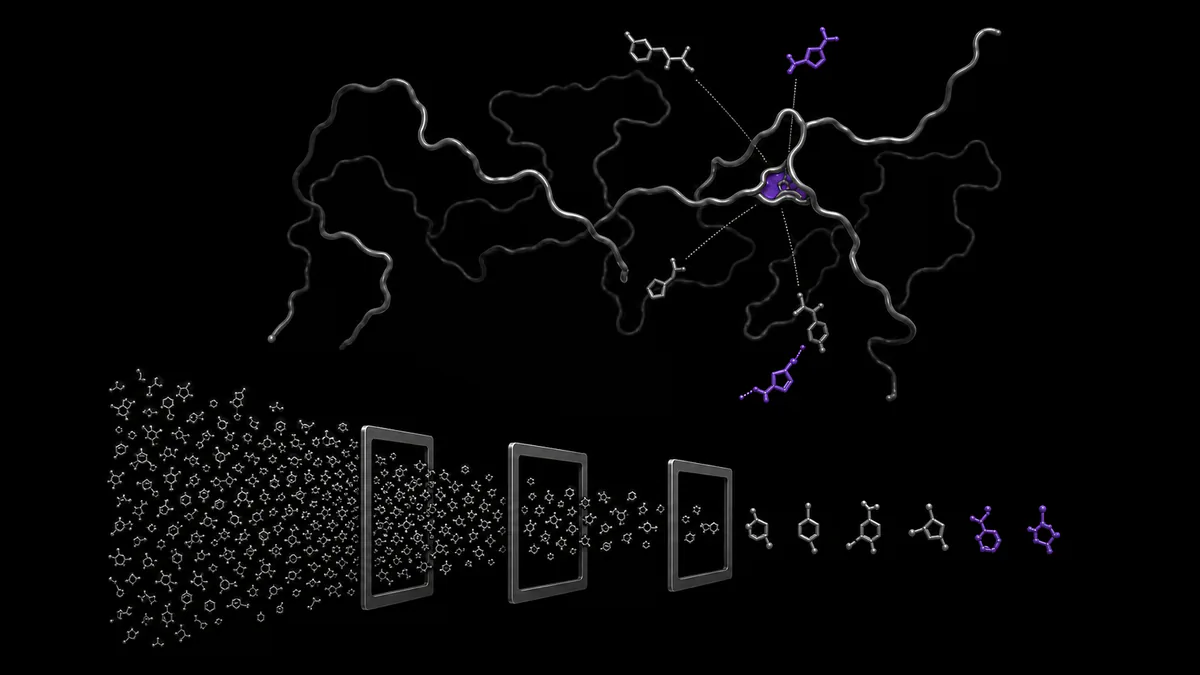
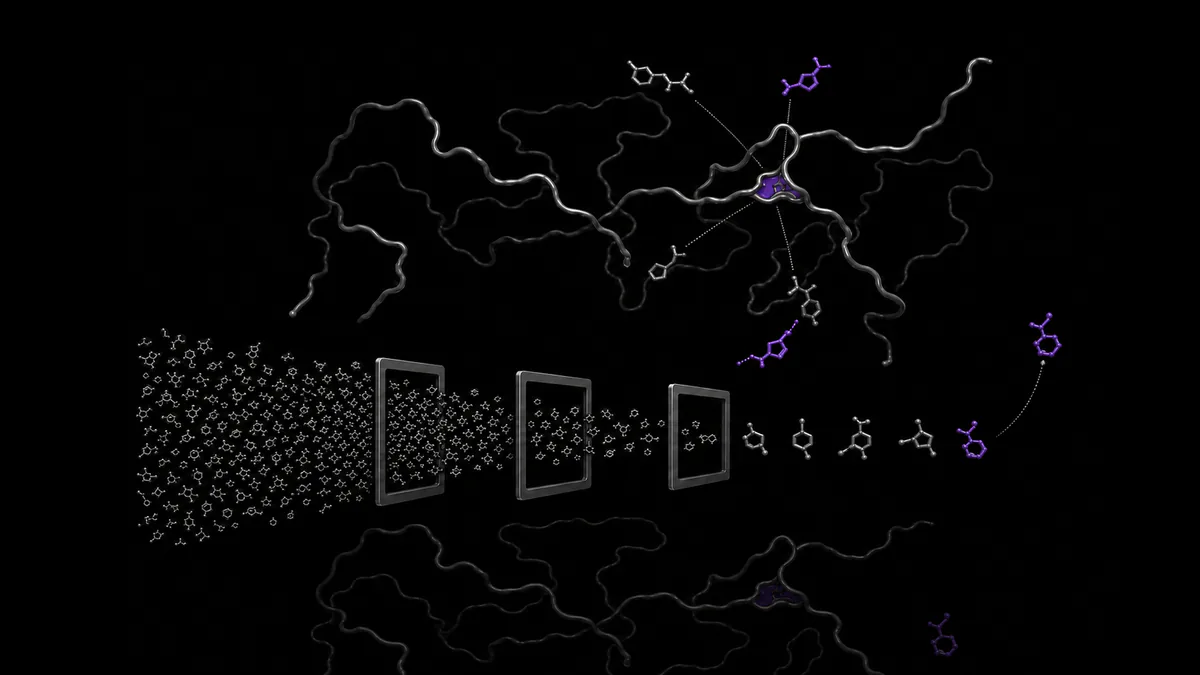
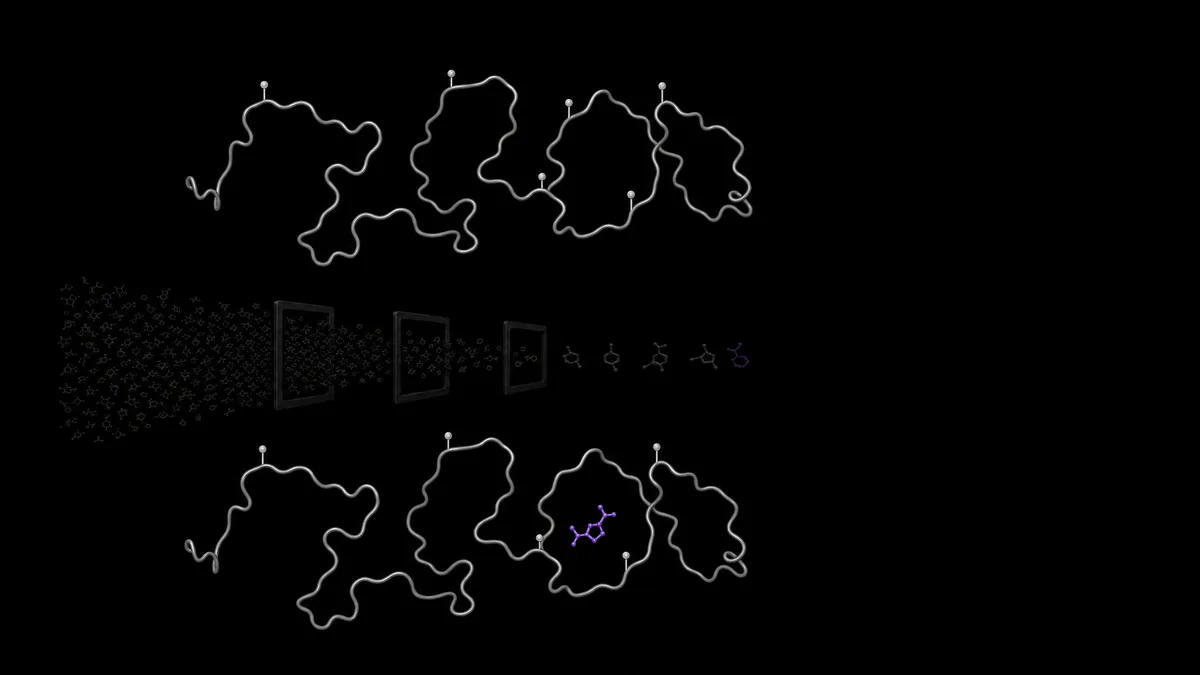
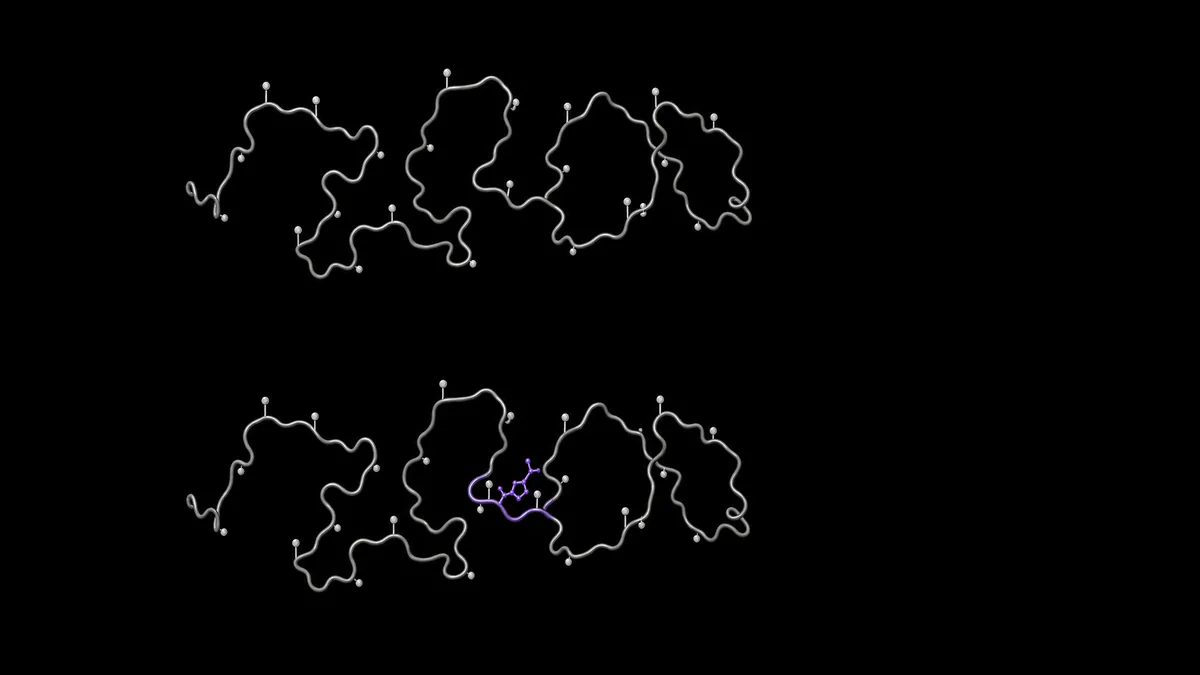
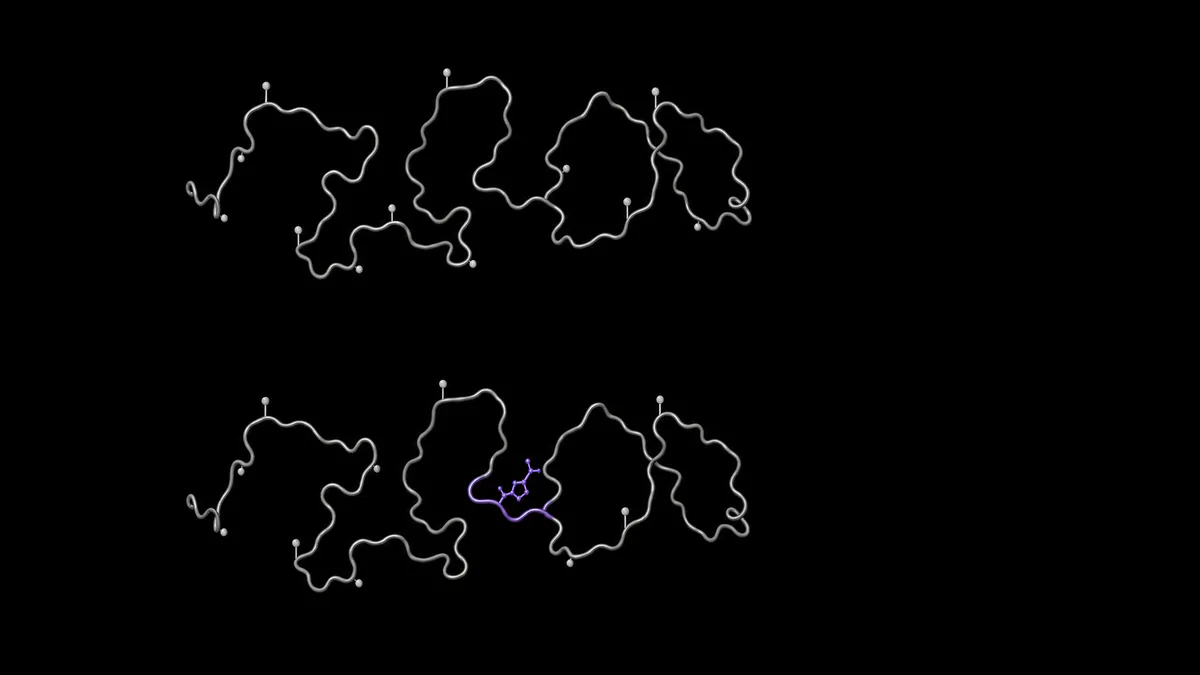
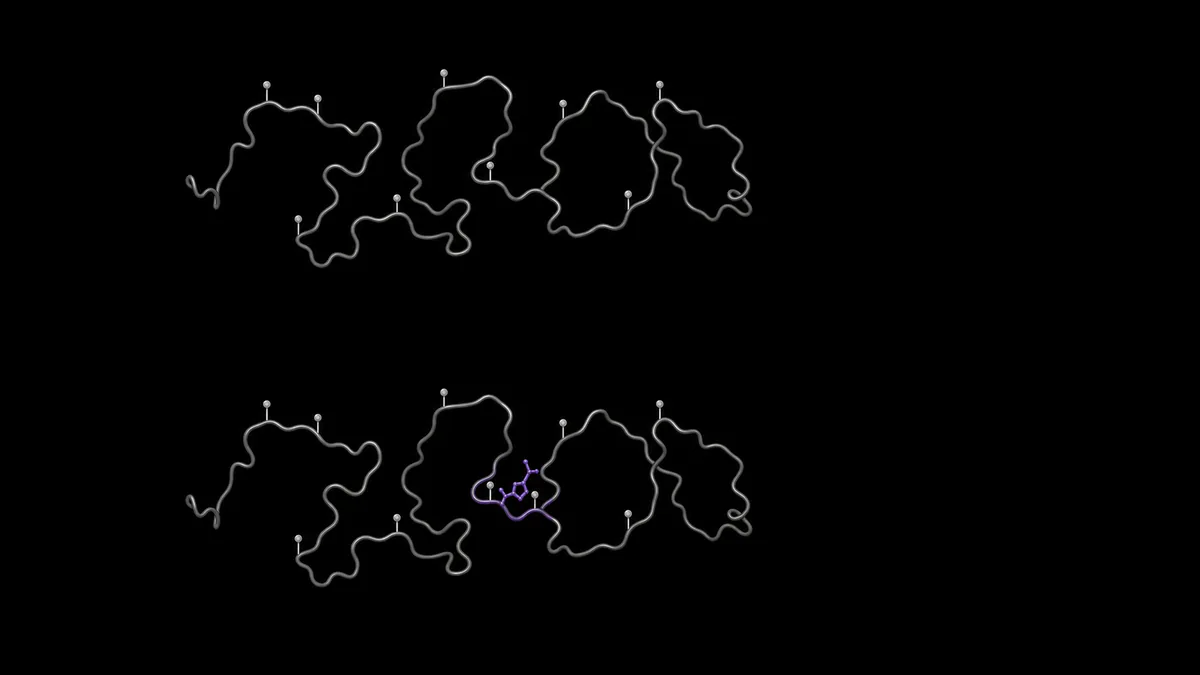
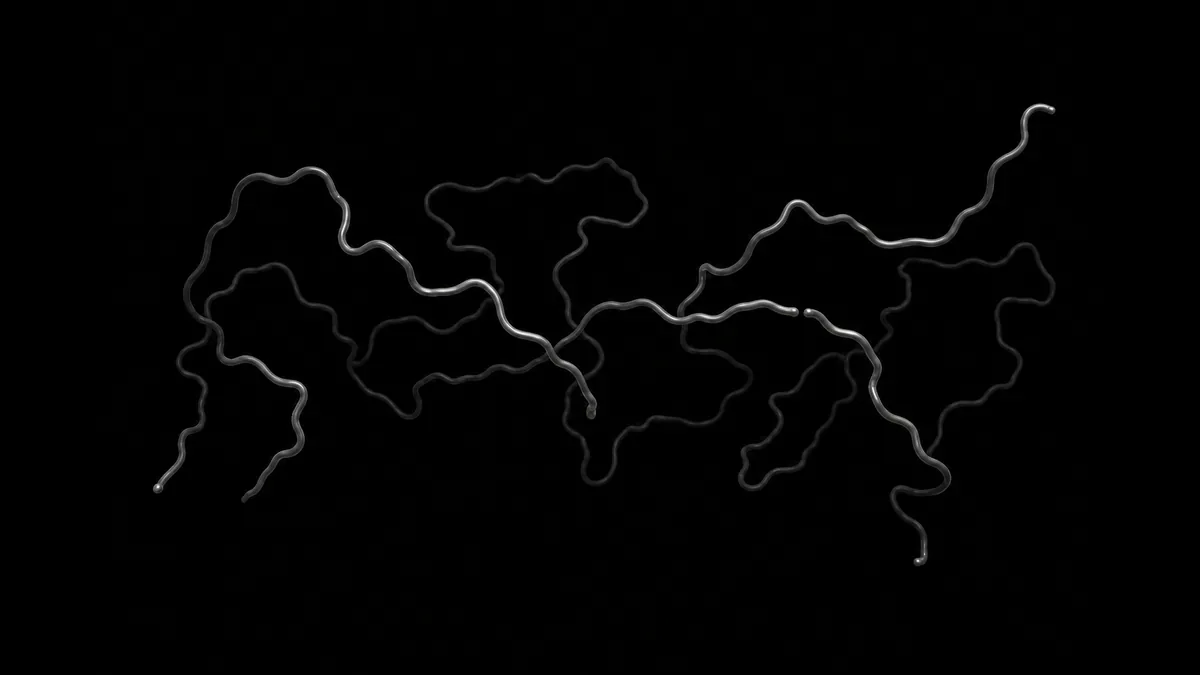
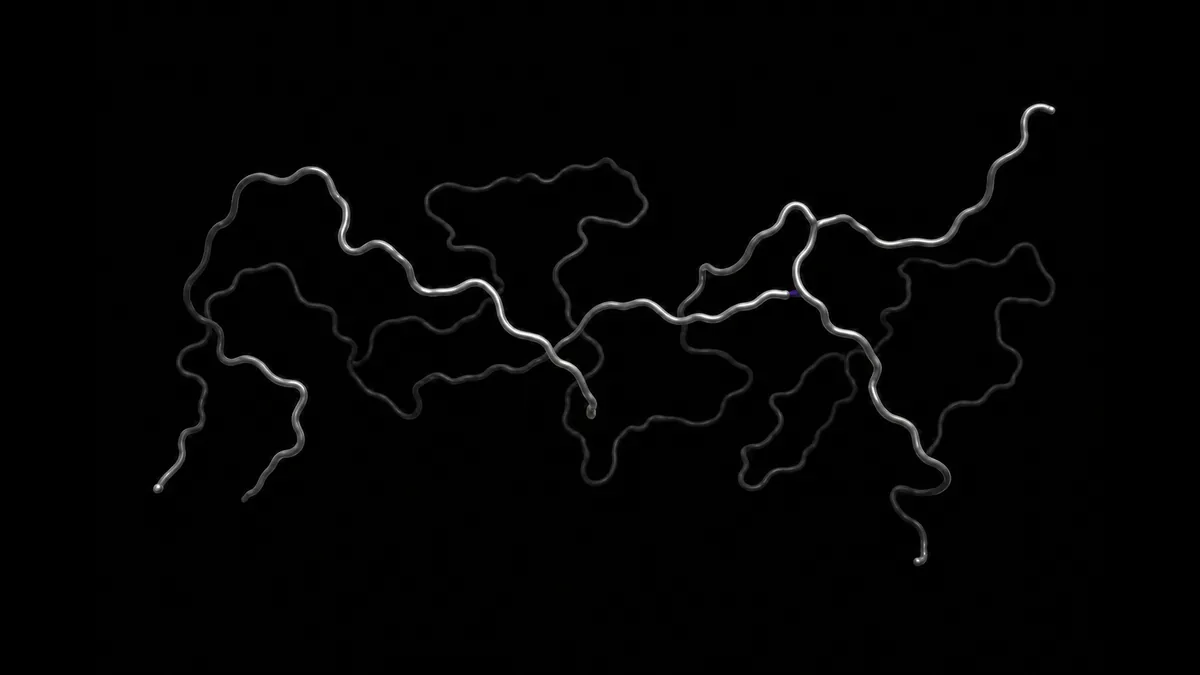
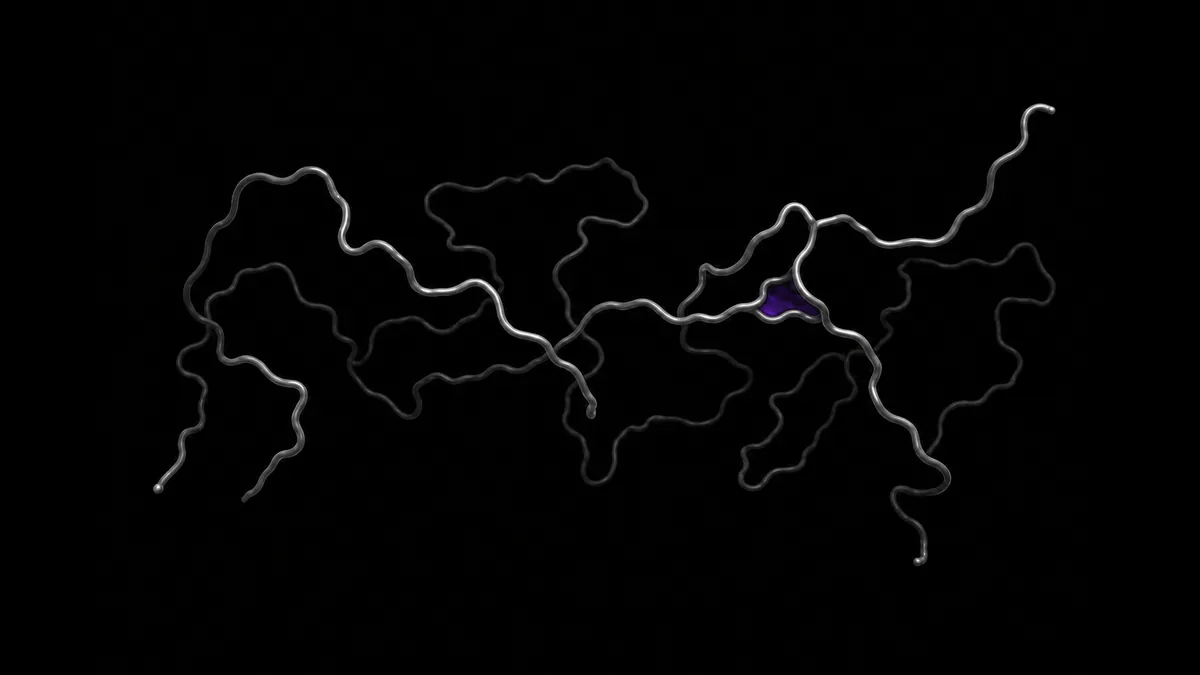
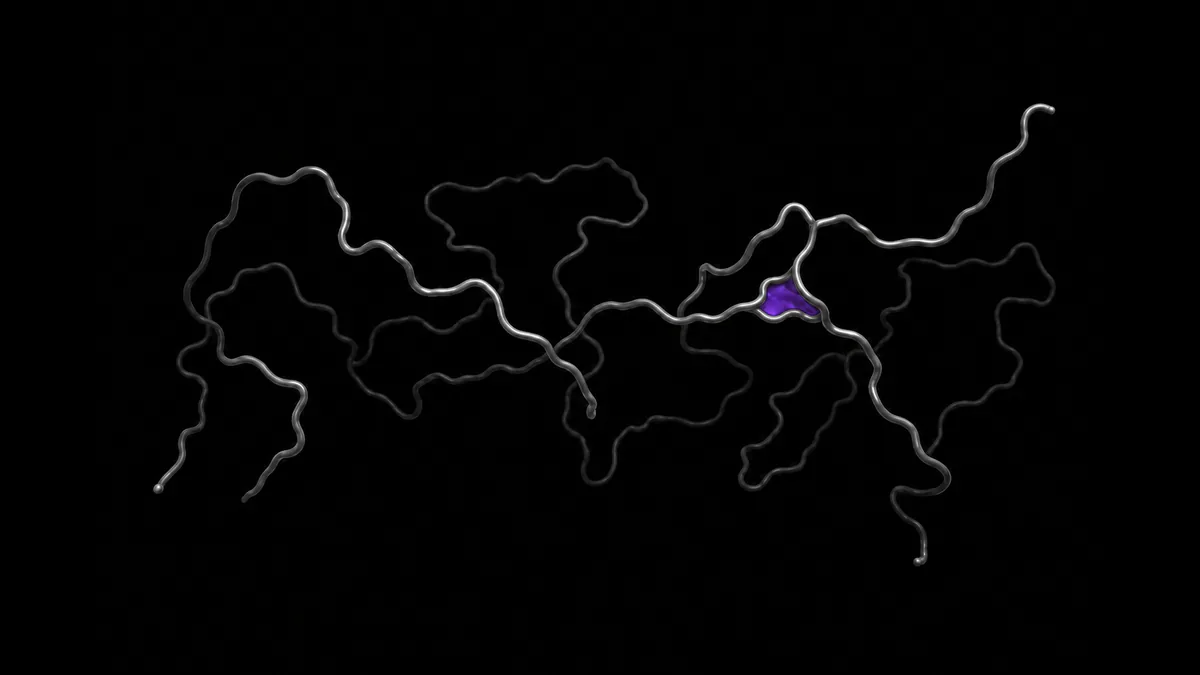
Ensemble modelling identifies a shallow pocket that exists only when distant segments of the disordered chain make a temporary local contact.
From a rare IDP state to a practical shortlist, then back to experiment.
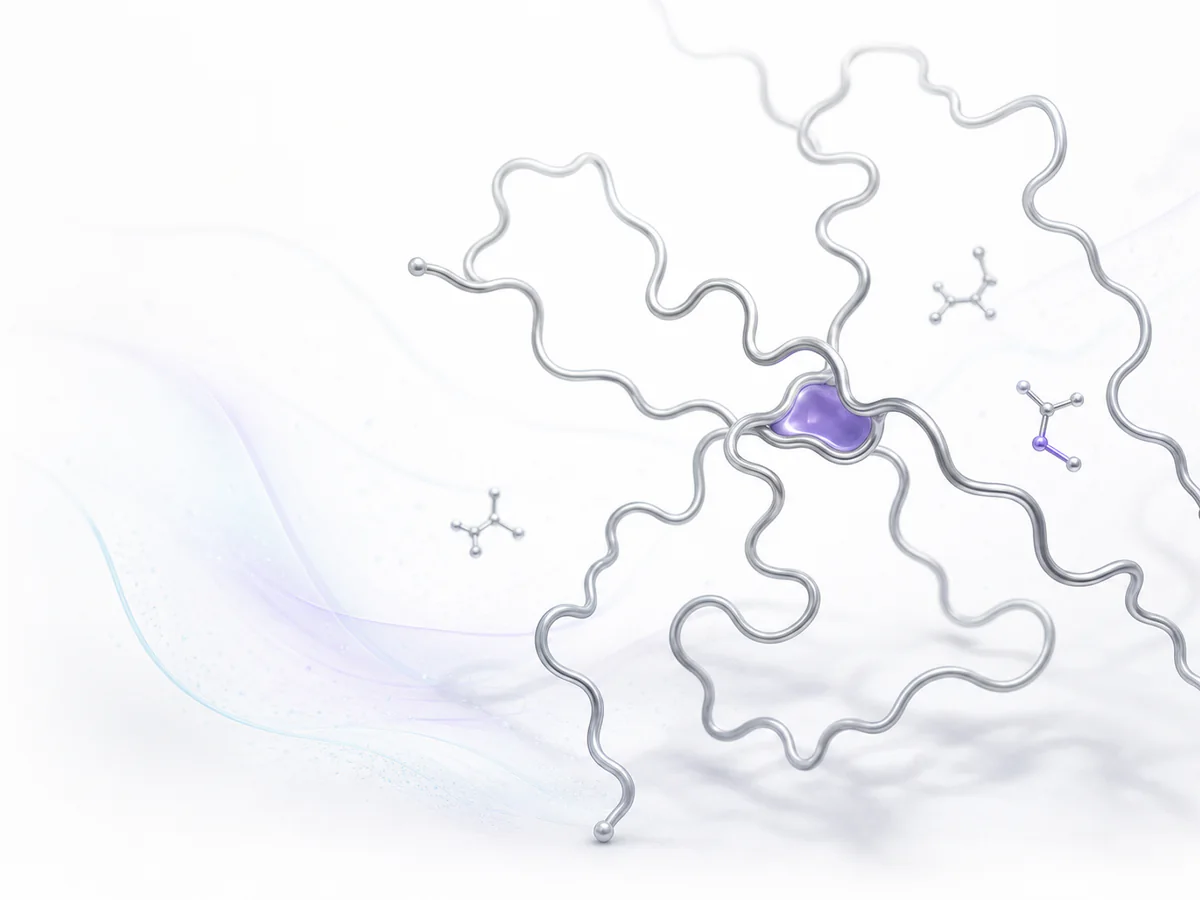
Rare state to experimental dynamics fingerprint
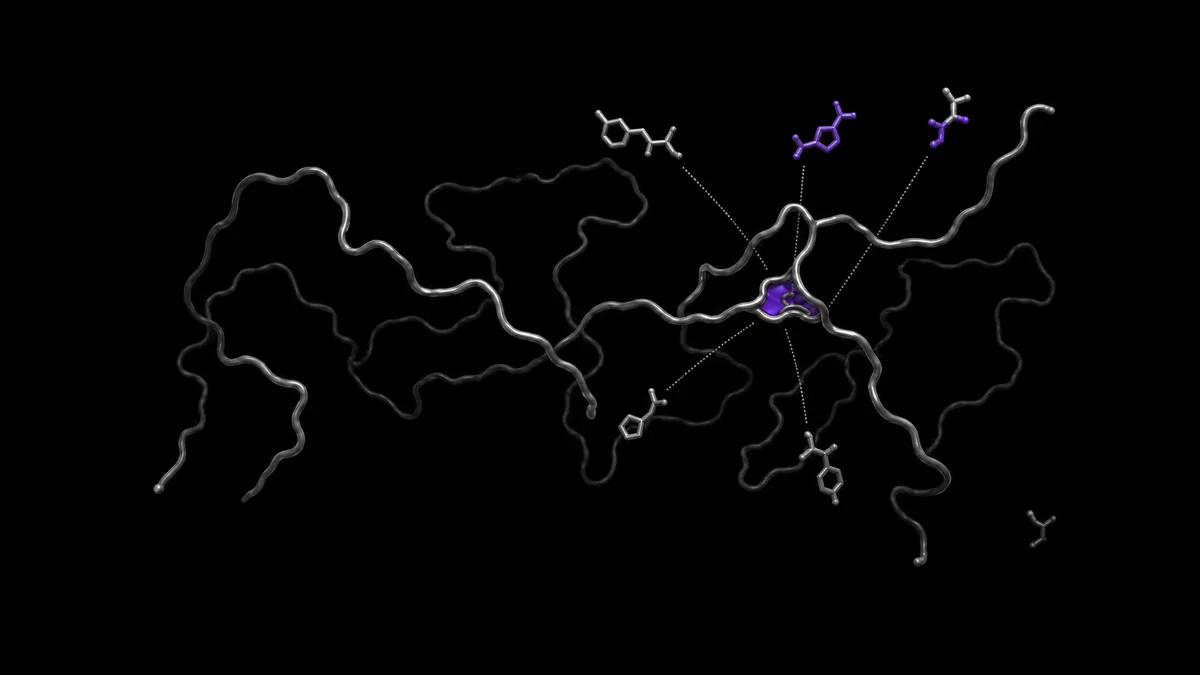
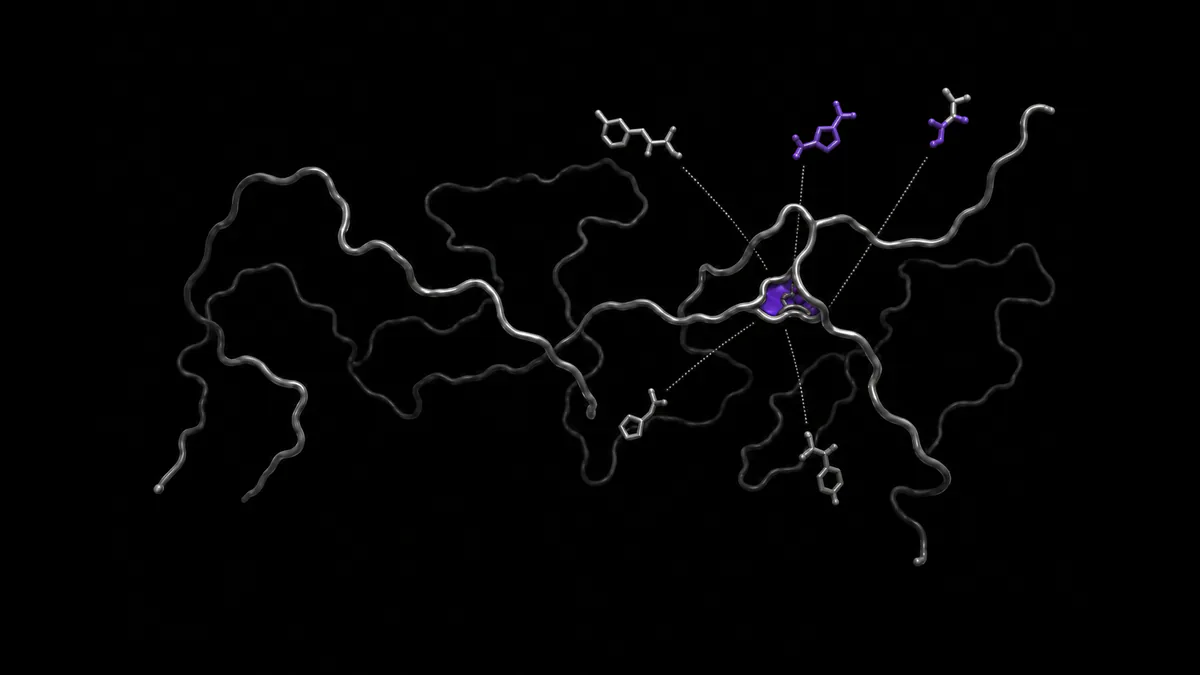
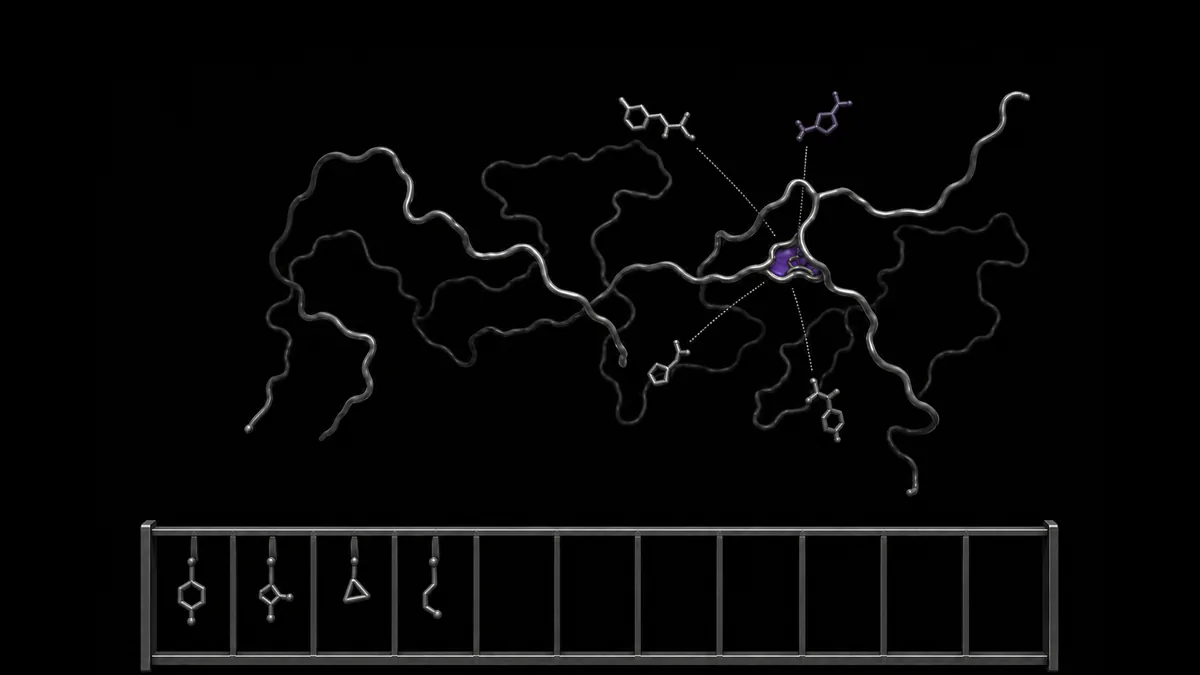
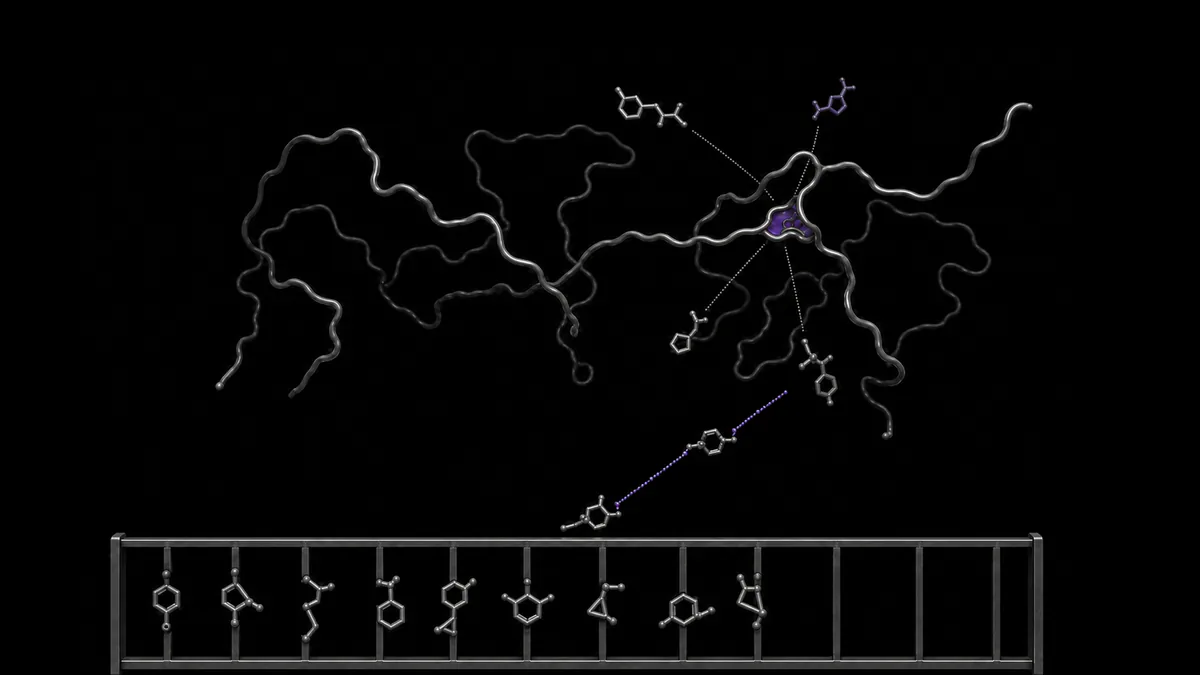
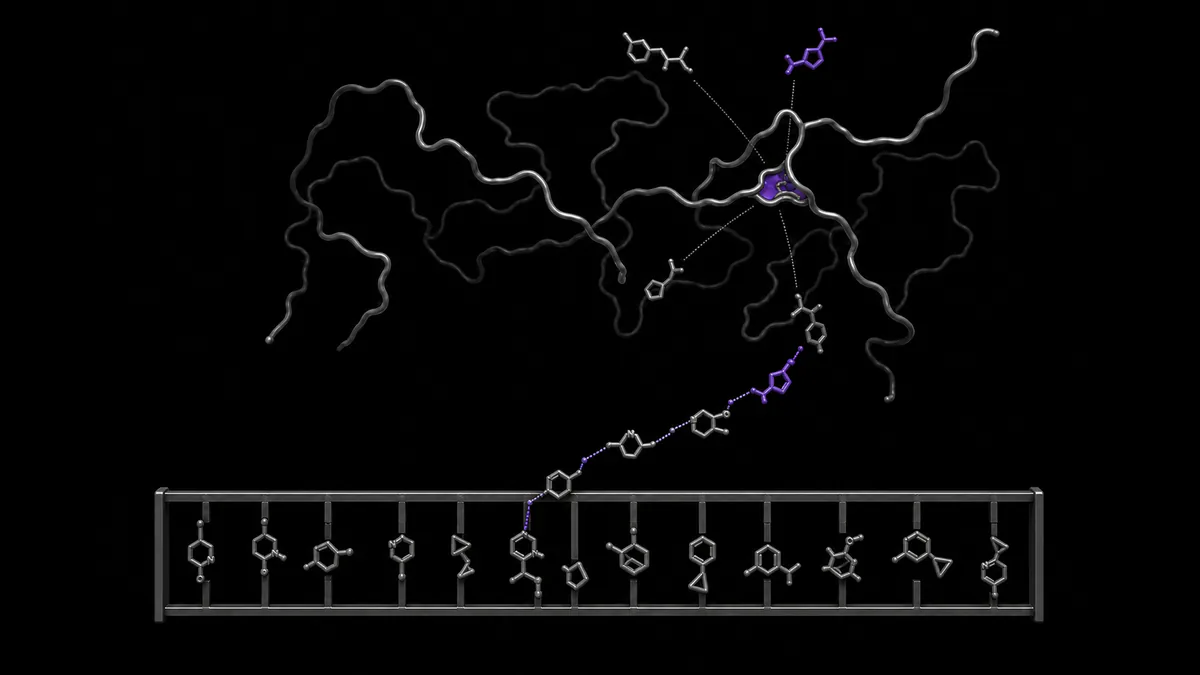
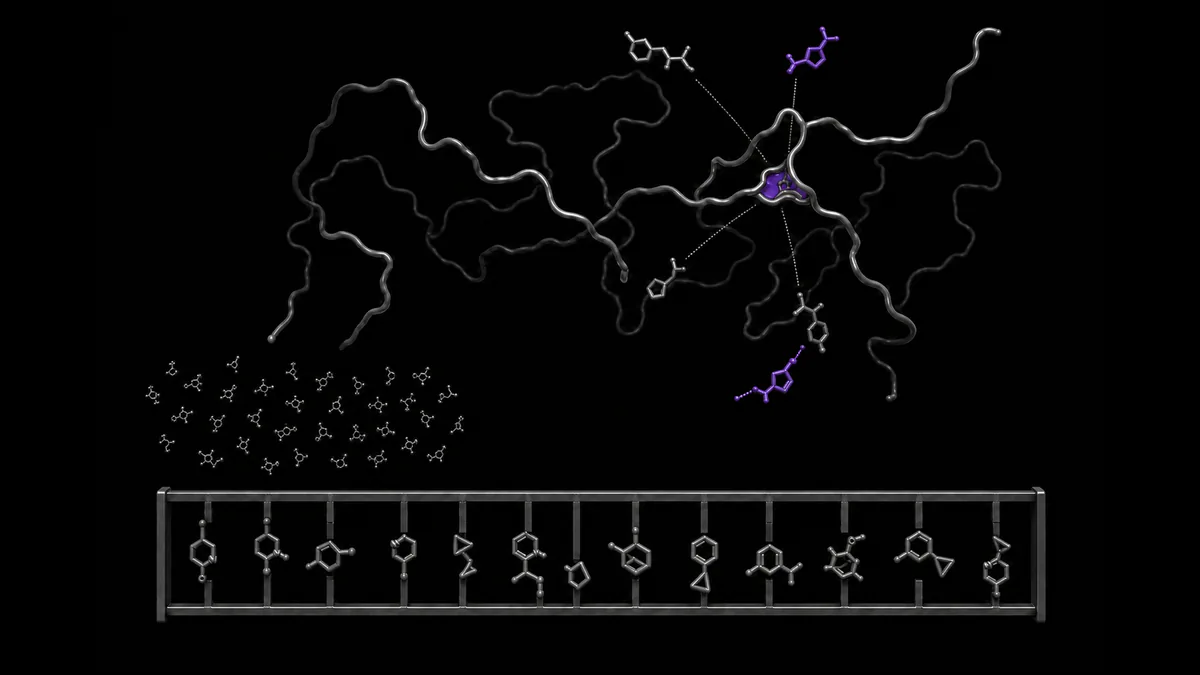
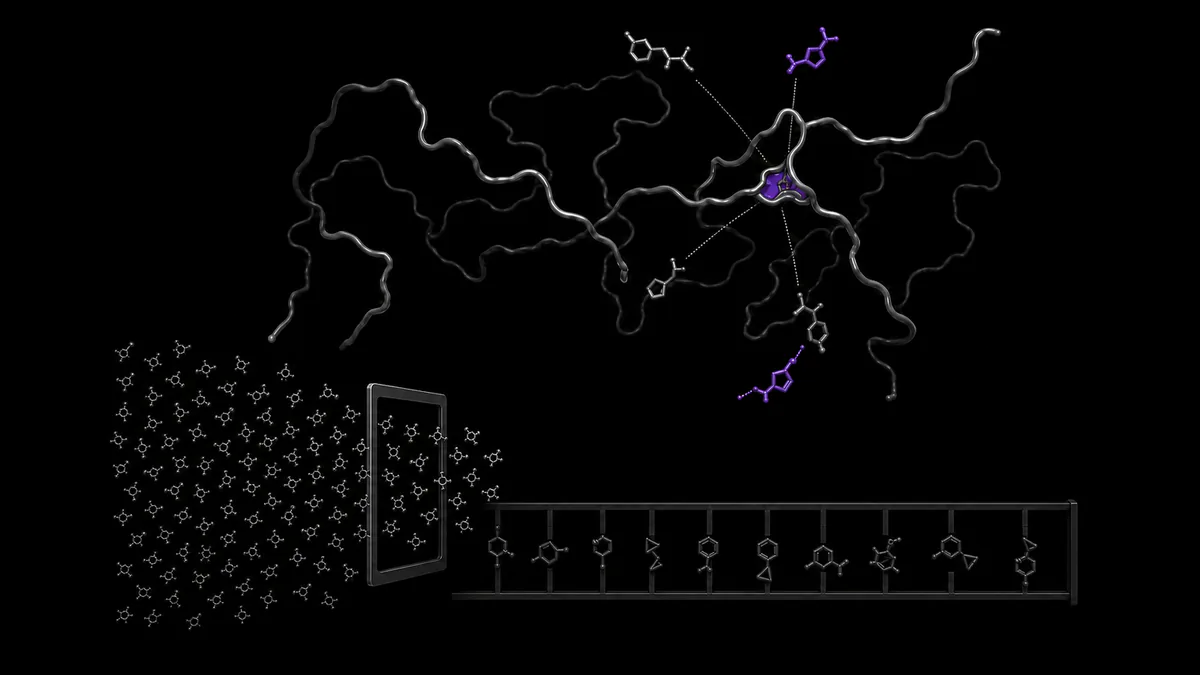
Modelling identifies a local pocket that appears only in a rare conformation of the disordered ensemble. Multiple AI approaches can then explore sourceable chemistry against that same structural hypothesis before matched HDX-MS tests the resulting candidates.
Ensemble modelling identifies a shallow pocket that exists only when distant segments of the disordered chain make a temporary local contact.
Different AI models test complementary small-molecule hypotheses against the same ensemble-aware pocket rather than treating one structure as ground truth.
The search is grounded in commercial vendor libraries so selected building blocks can be accessed on a 3 to 4 week timeline.
A 12 billion compound search space is filtered to approximately 100 to 300 candidates for experimental prioritisation.
Matched protein-alone and compound-treated experiments compare protection and exchange kinetics to evaluate engagement and changes in IDP structural dynamics.
Evidence gate
A docking hypothesis earns progression only when matched HDX-MS produces a reproducible protection and kinetics fingerprint.
Docking becomes an evidence decision
A modeled docking hypothesis and matched HDX-MS evidence merge into engagement, dynamics, and designability gates. Convergent evidence advances the candidate, while weak or inconsistent evidence returns the hypothesis to design.
Modeled hypothesis
Docking proposes where sourceable chemistry could engage the transient pocket. It does not establish a bound pose.
ModeledMatched HDX-MS
Protein-alone and compound-treated measurements test local protection and exchange behavior under matched conditions.
MeasuredConvergent evidence
Model and experiment agreeIs local protection reproducible?
A consistent protected region supports direct engagement with the selected IDP state.
Do exchange kinetics change coherently?
Time-dependent uptake reveals whether the compound changes local ensemble behavior.
Can the chemistry be made and improved?
Sourceable building blocks and tractable analogues keep the hypothesis inside a practical design cycle.
Evidence decision
Advance
Reproducible protection, coherent kinetics, and practical chemistry justify the next experimental step.
Return to design
Weak, diffuse, or inconsistent evidence redirects the pocket model, chemistry, or experimental design.
Refine model or chemistry