Modeling

Rebuilding the full range of shapes a protein moves through, so supported low-population states come into view.

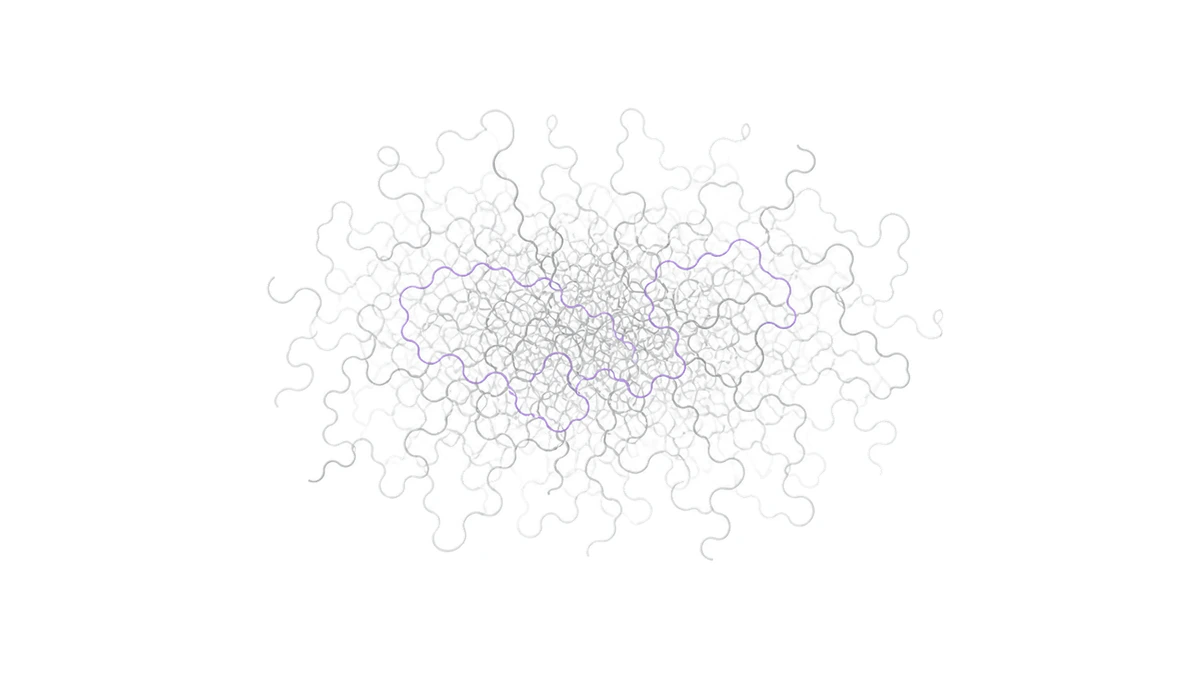
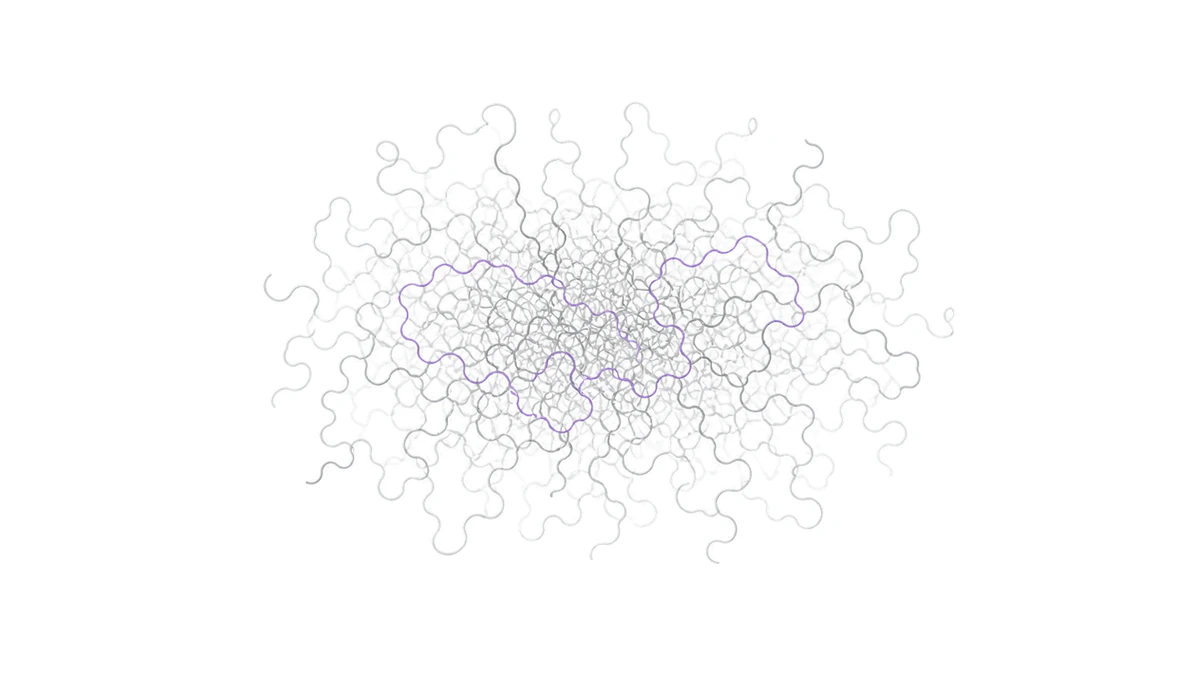
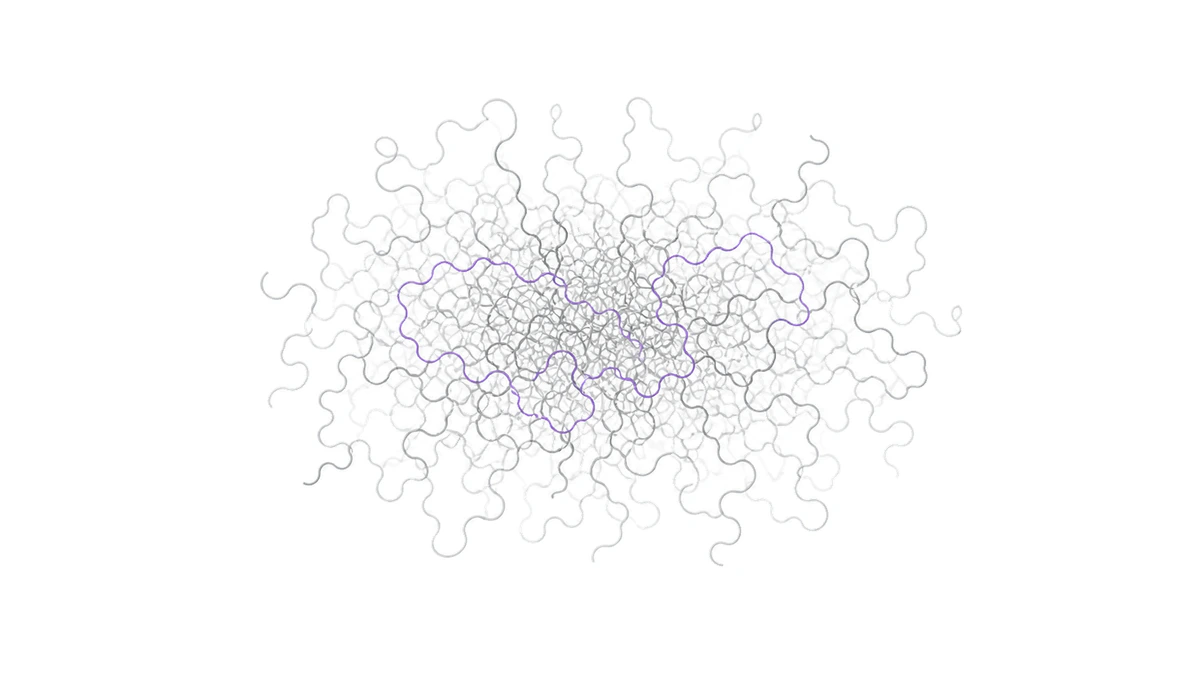
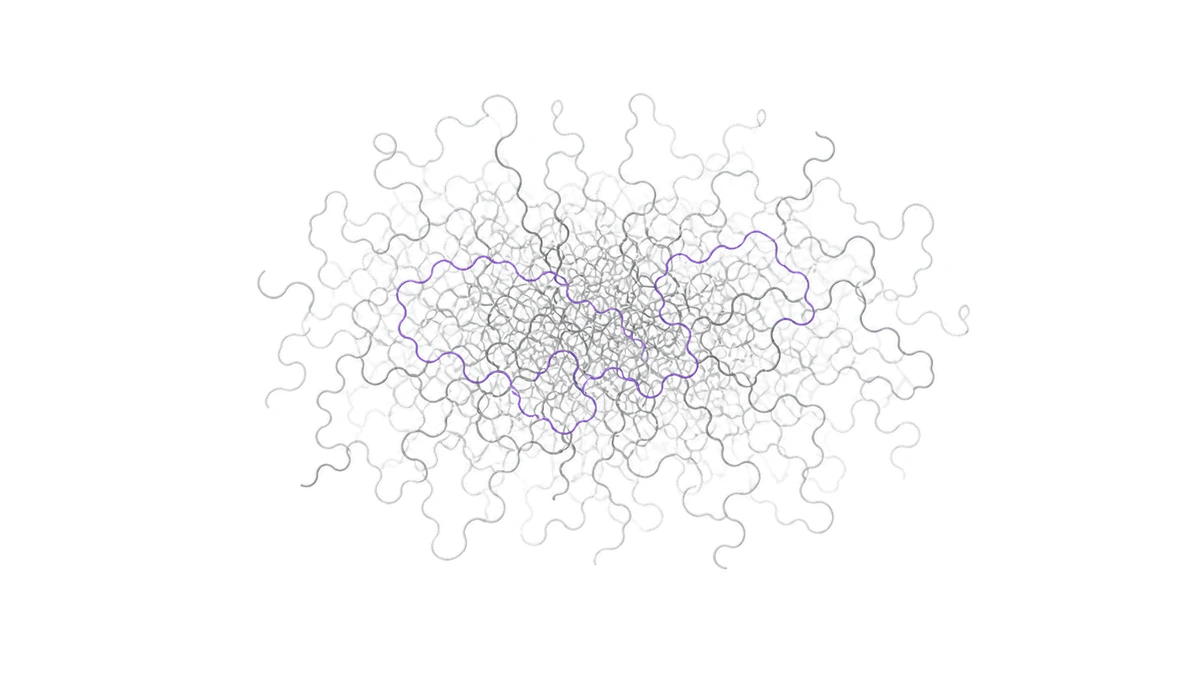
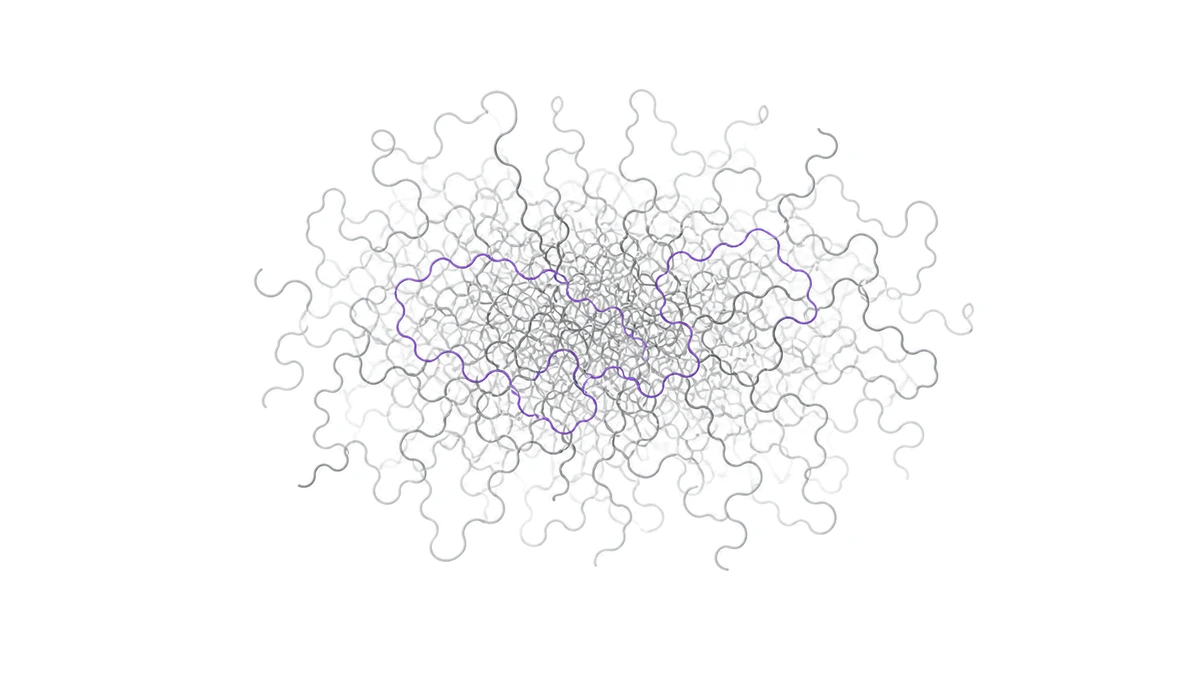
A cloud of overlaid protein conformers hovering above a faint free-energy landscape and a subtle compute grid, rendered in violet and cyan on a pale background. Illustrative generated image.

A disordered protein is a population, not a single structure.

That population spans dominant disordered conformations and rare states that appear only briefly. No single structure can represent the target, and simulation alone cannot determine which states the protein actually occupies.

Peptone combines HDX-MS measurements in solution with OPES enhanced sampling and physiological reweighting to recover the ensemble. NMR and EPR add orthogonal local and long-range restraints that test whether the modeled populations agree with experiment.

Computation follows the question.

Enhanced sampling expands the conformational search; experimental agreement narrows it. Elastic AWS and NVIDIA infrastructure supplies the capacity required for simulation, reweighting, and inference while keeping each calculation tied to the measurements that determine what should be tested next.

00:00 00:00

Video paused

Accelerated computing at Peptone

A short film on the infrastructure behind Peptone's ensemble-first, experimentally grounded Product Engine.

In collaboration with

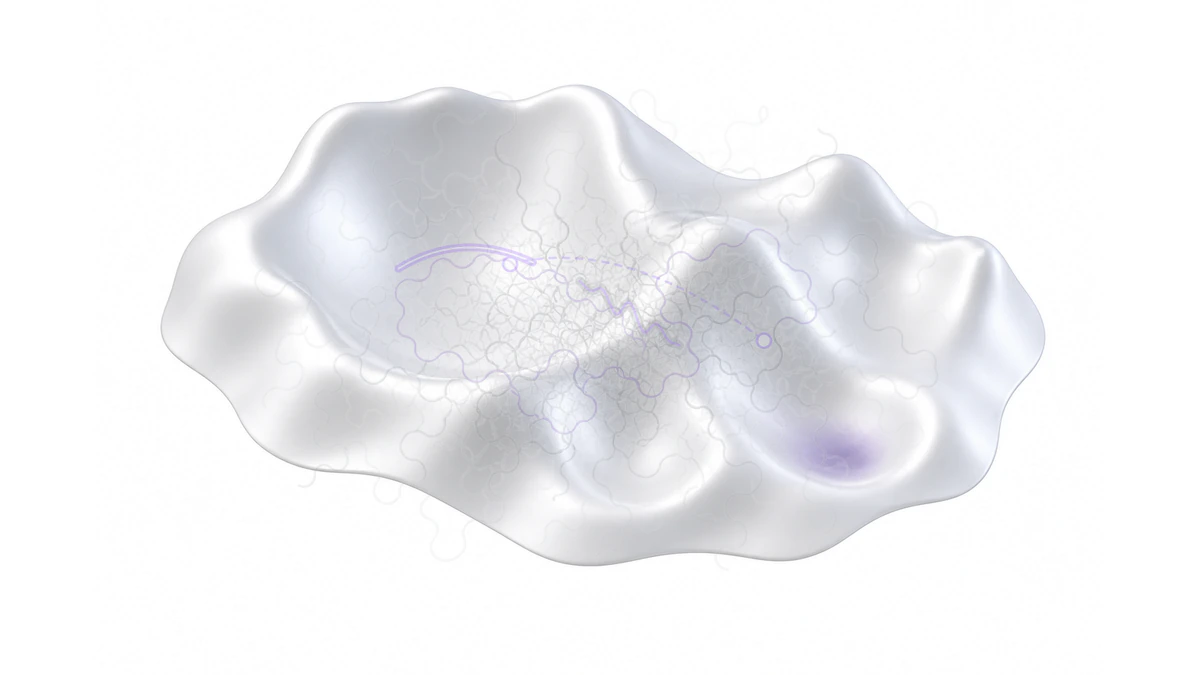
From multithermal sampling to a supported rare subensemble

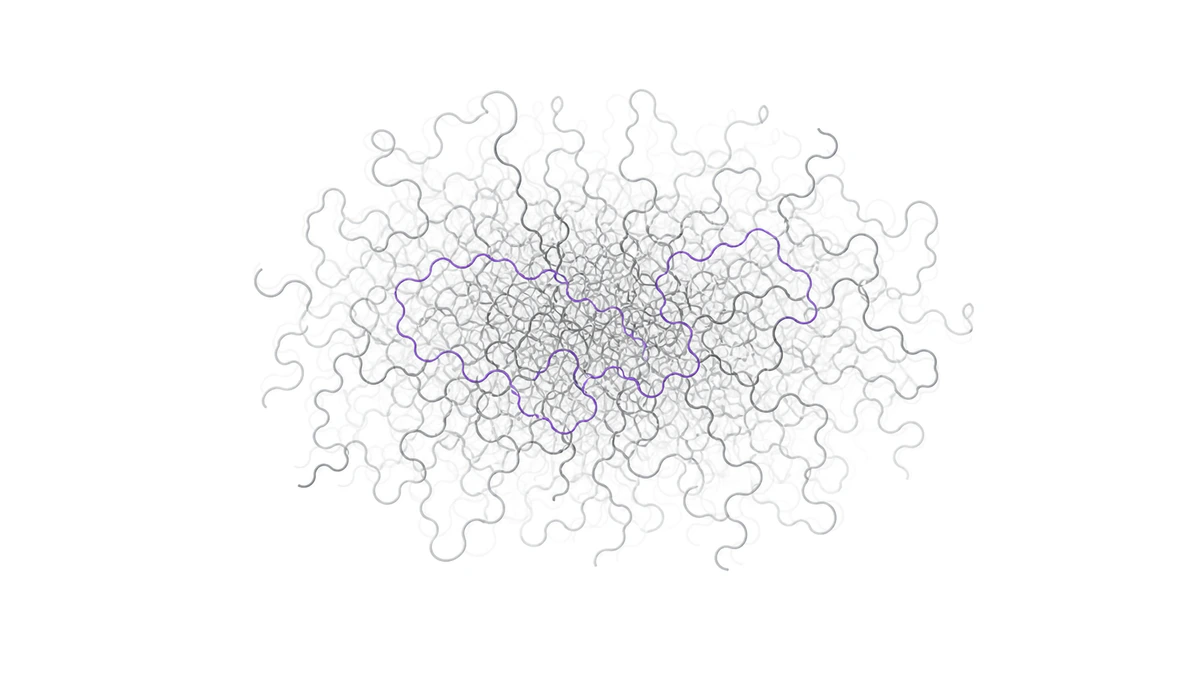
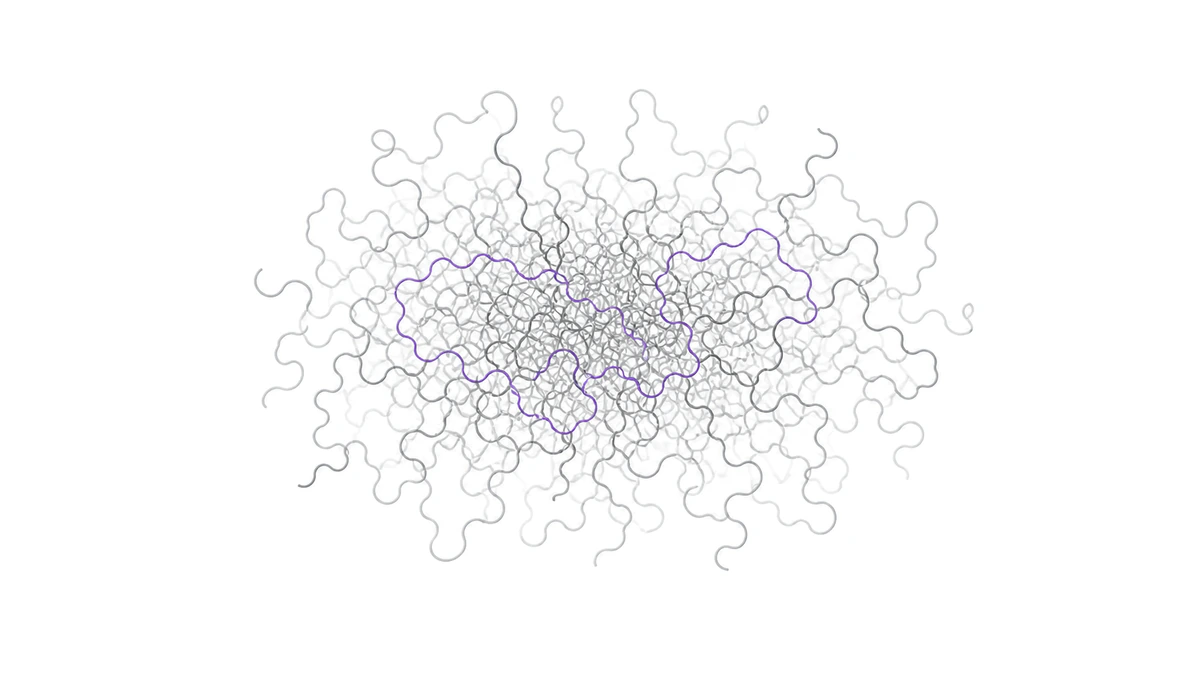
Start with a physical ensemble

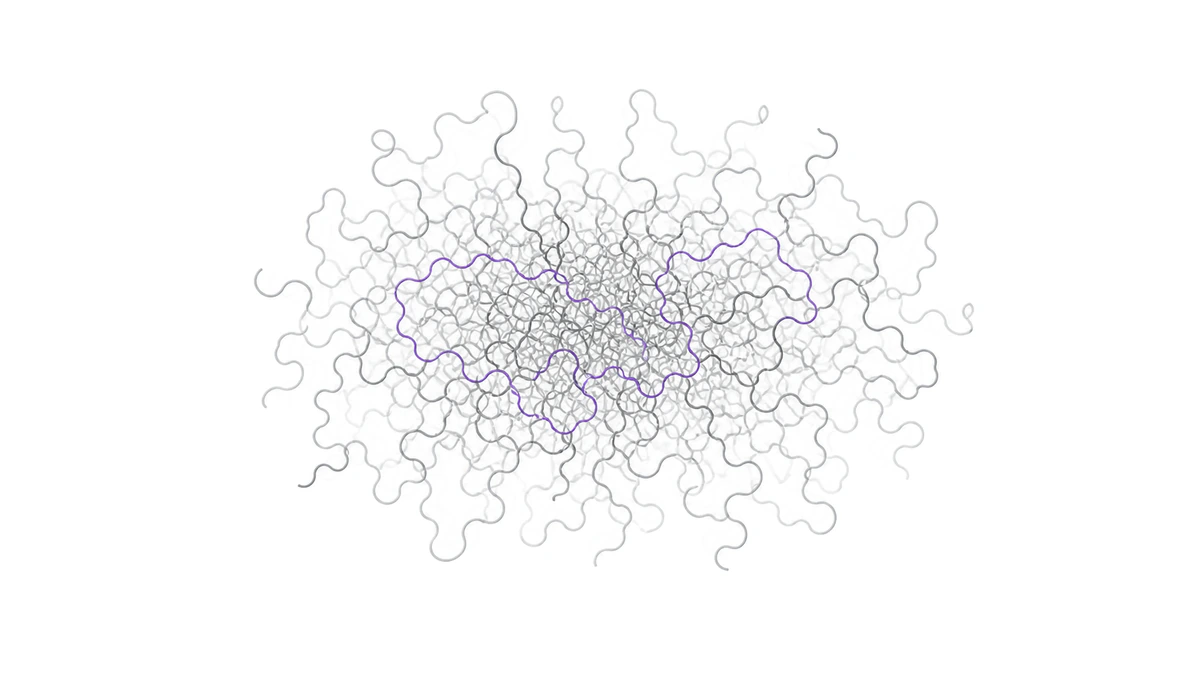
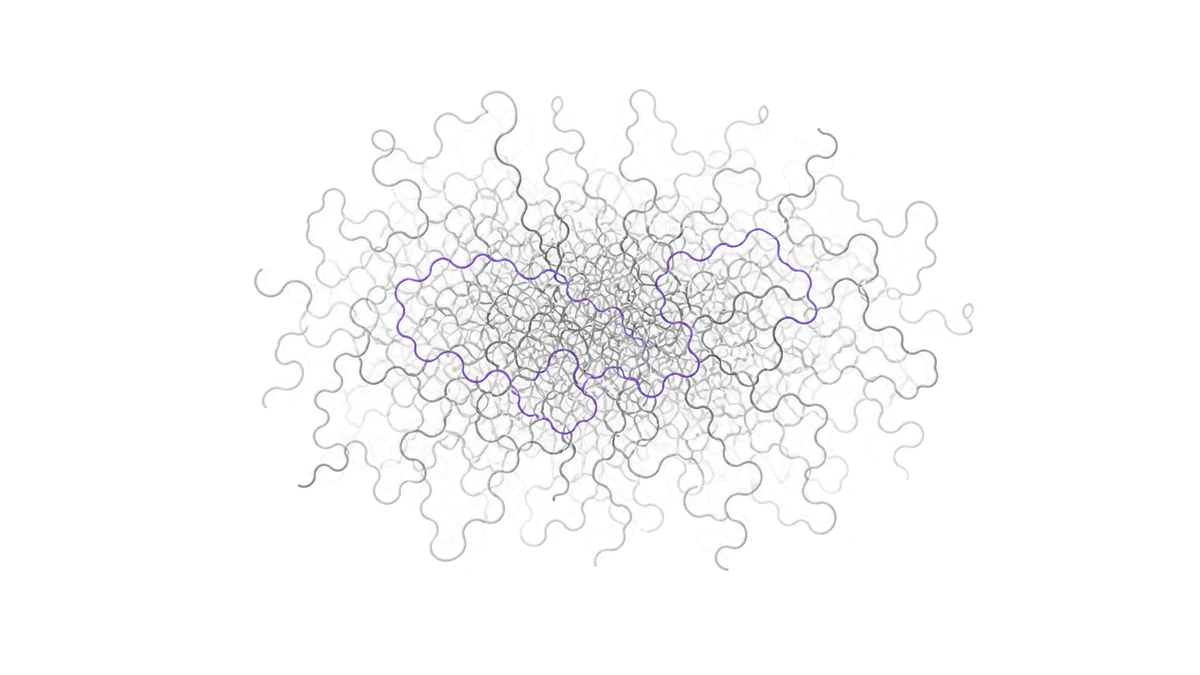
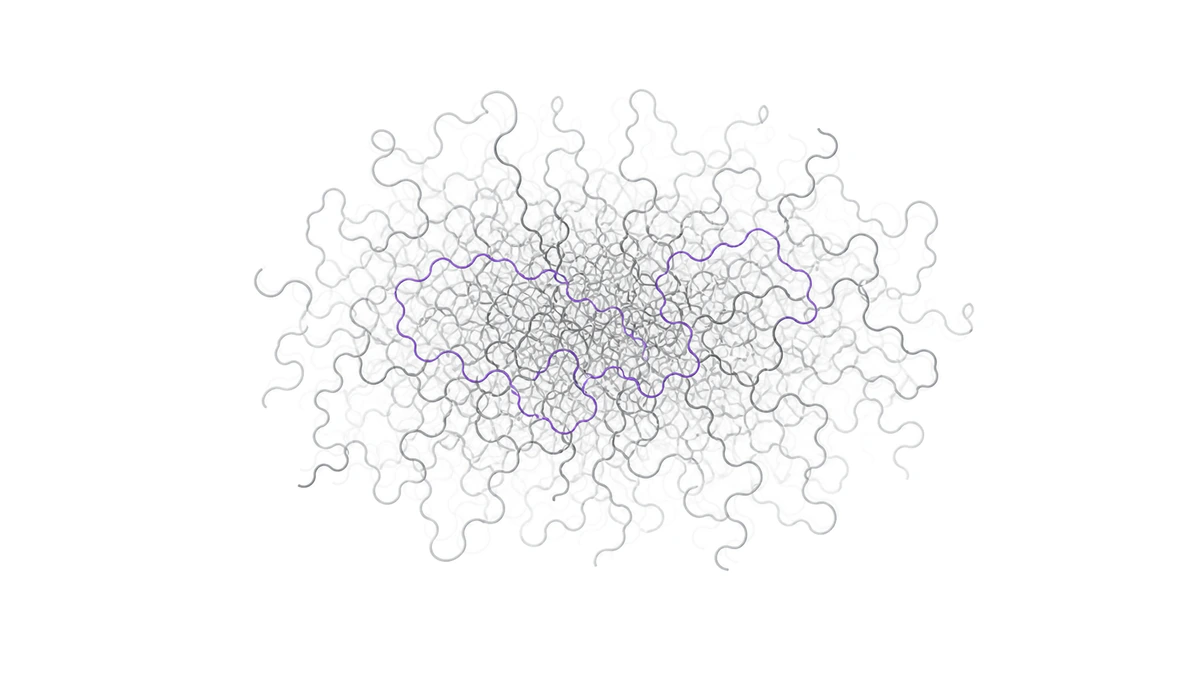
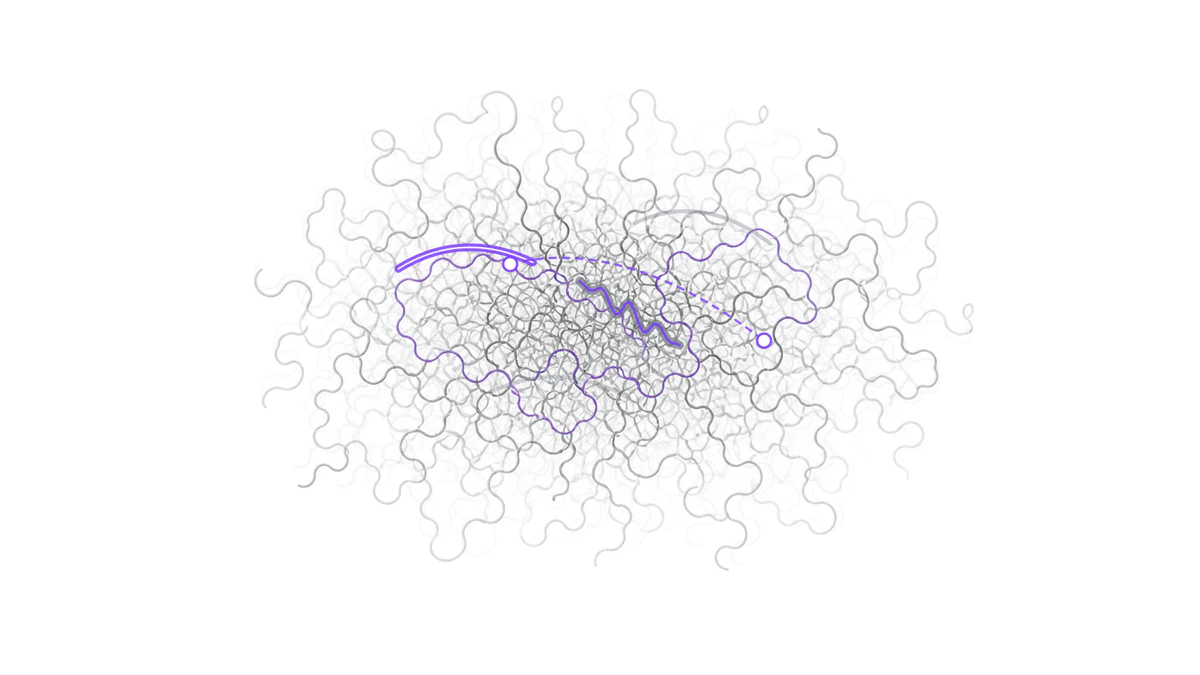
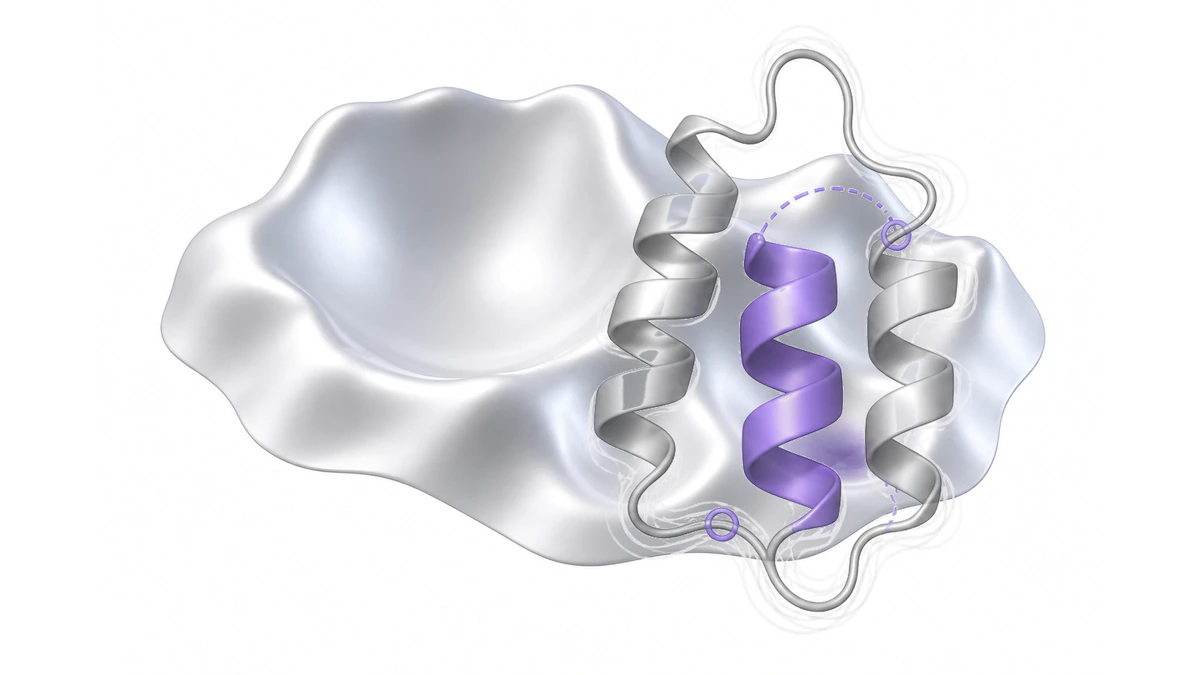
Many aligned conformations represent the theoretical population. No single trace is the protein.
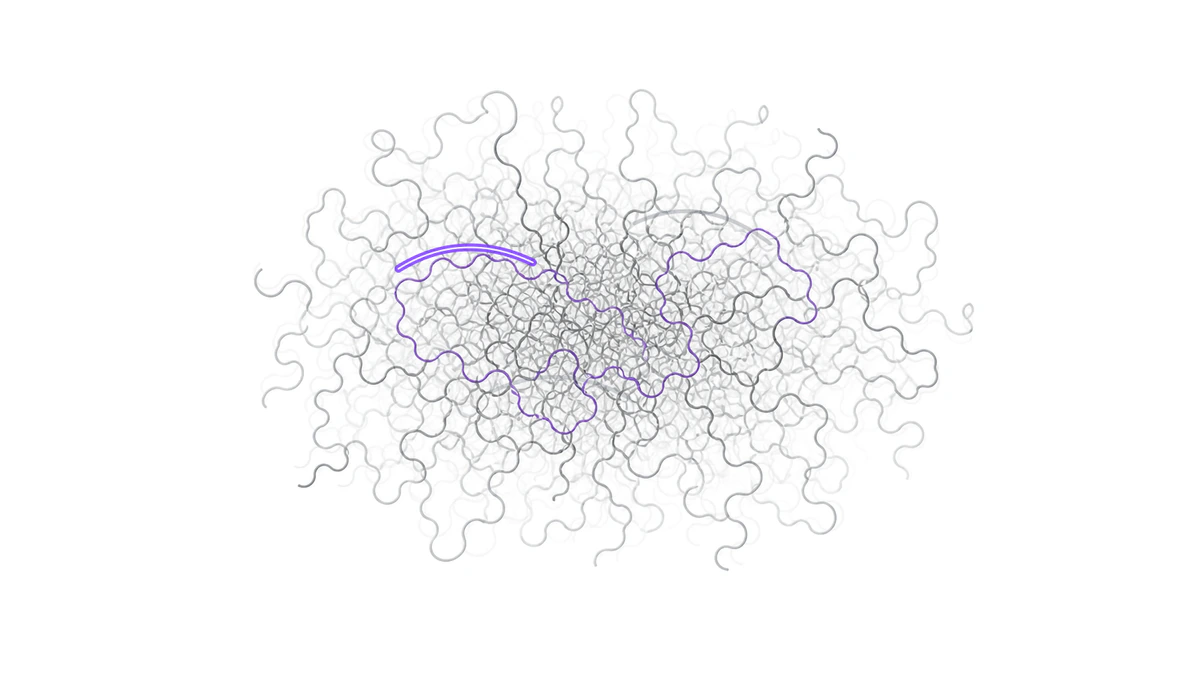
OPES multiT

One simulation visits more shapes.

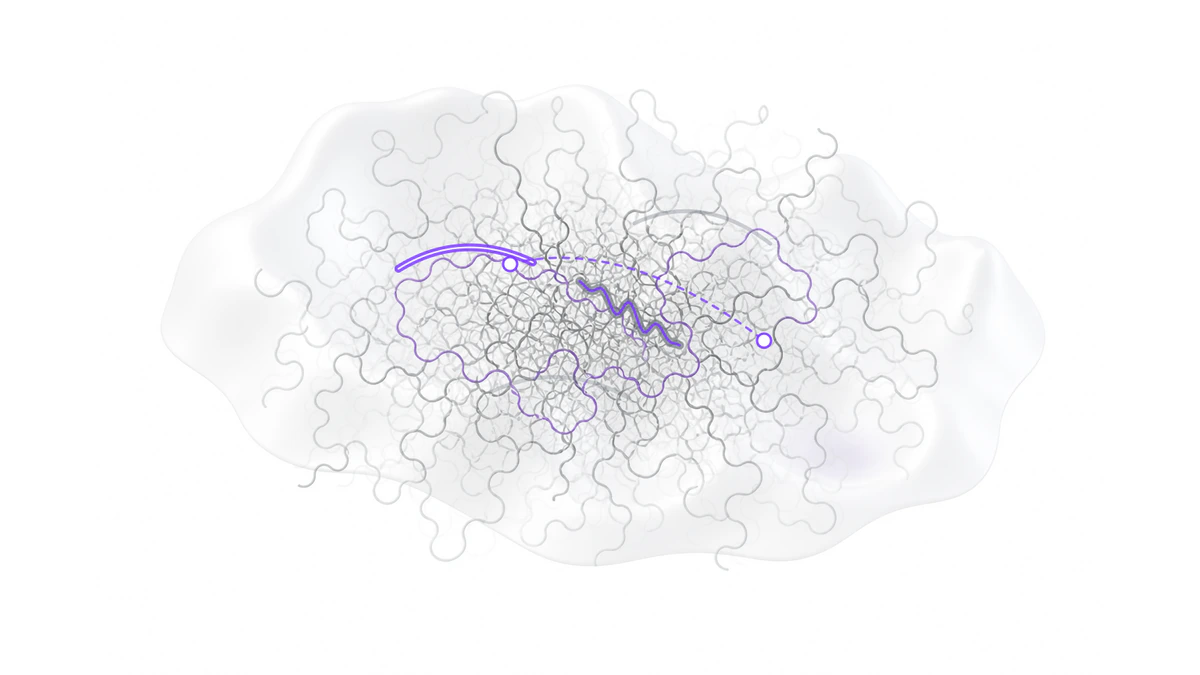
A known bias helps the simulation cross barriers. Because the bias is recorded, each frame can be reweighted to physiological temperature.

Explore with OPES multiT

A known bias helps one simulation visit common and rare shapes. Reweighting then recovers their populations at physiological temperature.

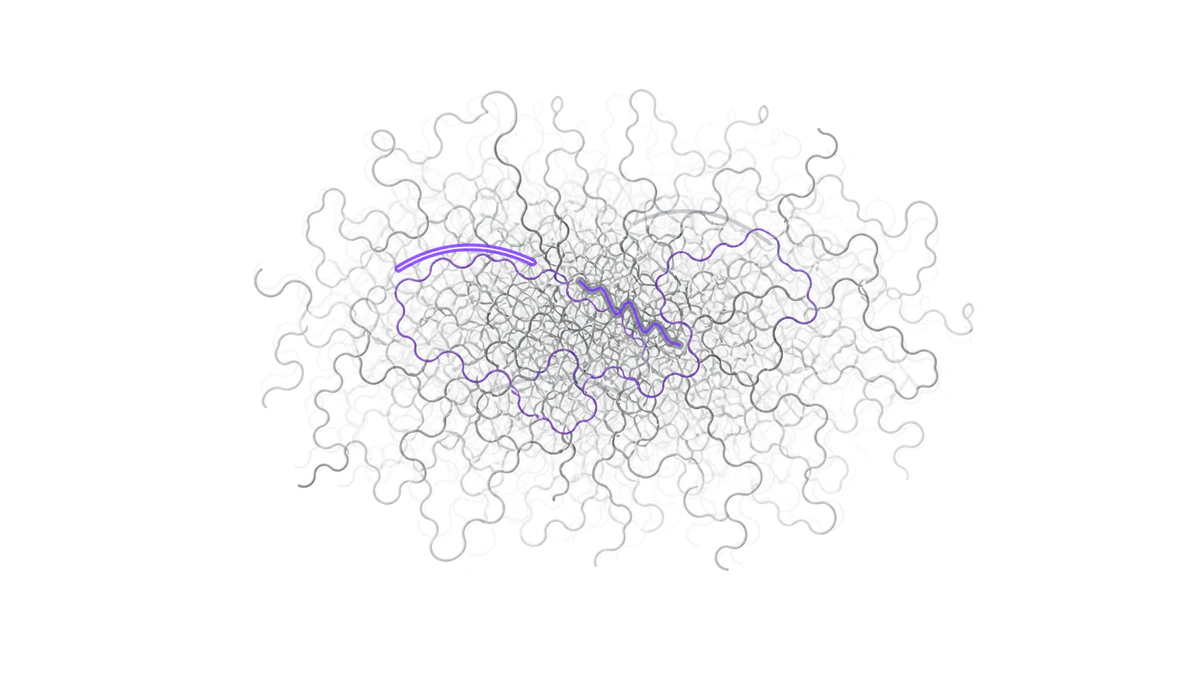
HDX-MS

Peptide uptake sets the weights.

Deuterium uptake shows which peptide regions stay protected or exposed in solution.

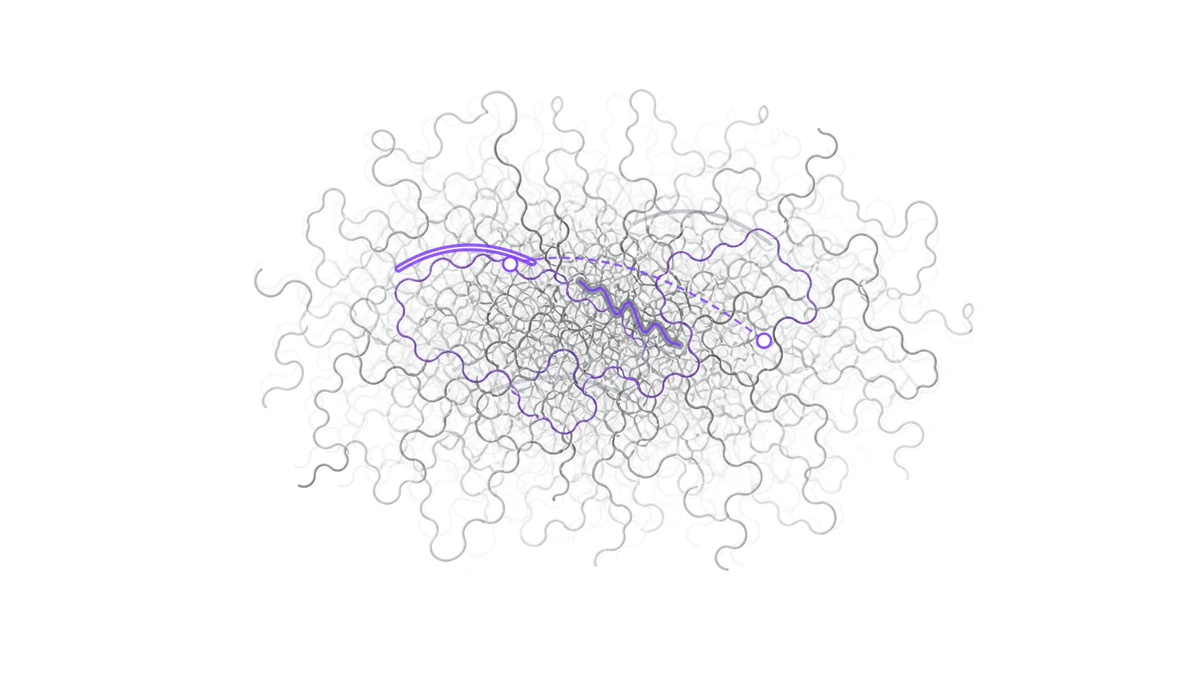
NMR

Local signals check transient structure.

Chemical shifts and relaxation test where short helices appear and how often.

EPR

Distances check long-range contacts.

Spin-label distributions test how often distant regions meet.

Weight with experiment

HDX-MS weights the ensemble against peptide protection. NMR and EPR then check local structure and long-range contacts.

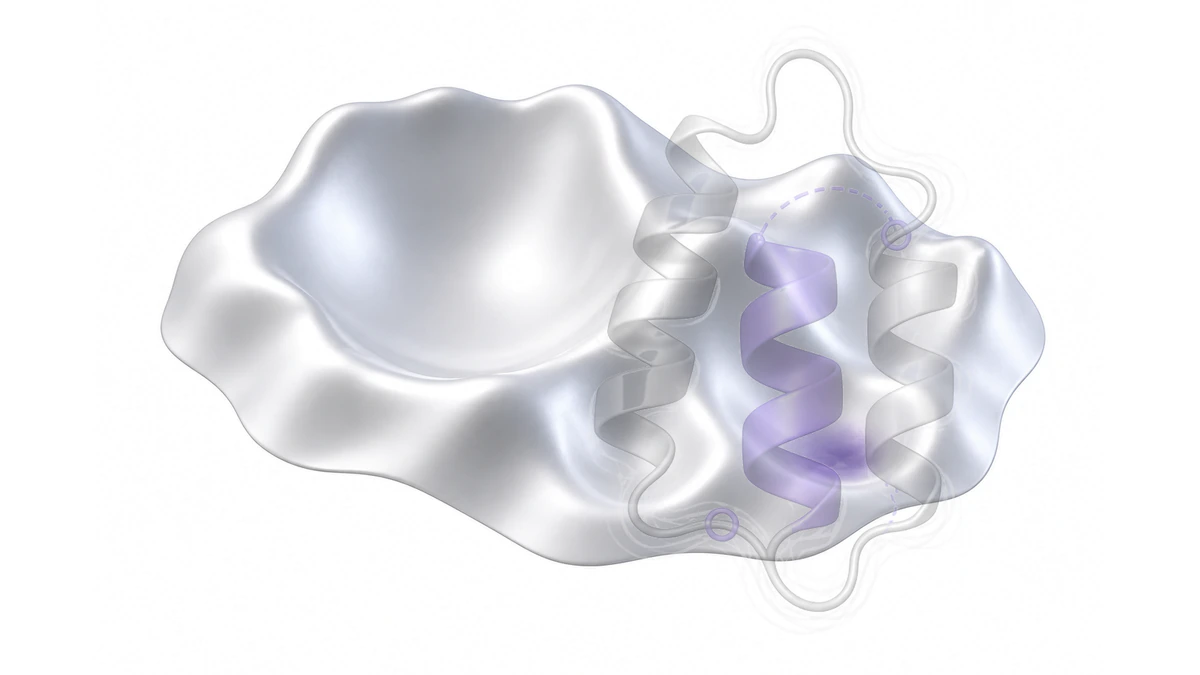
Rebuild the energy landscape

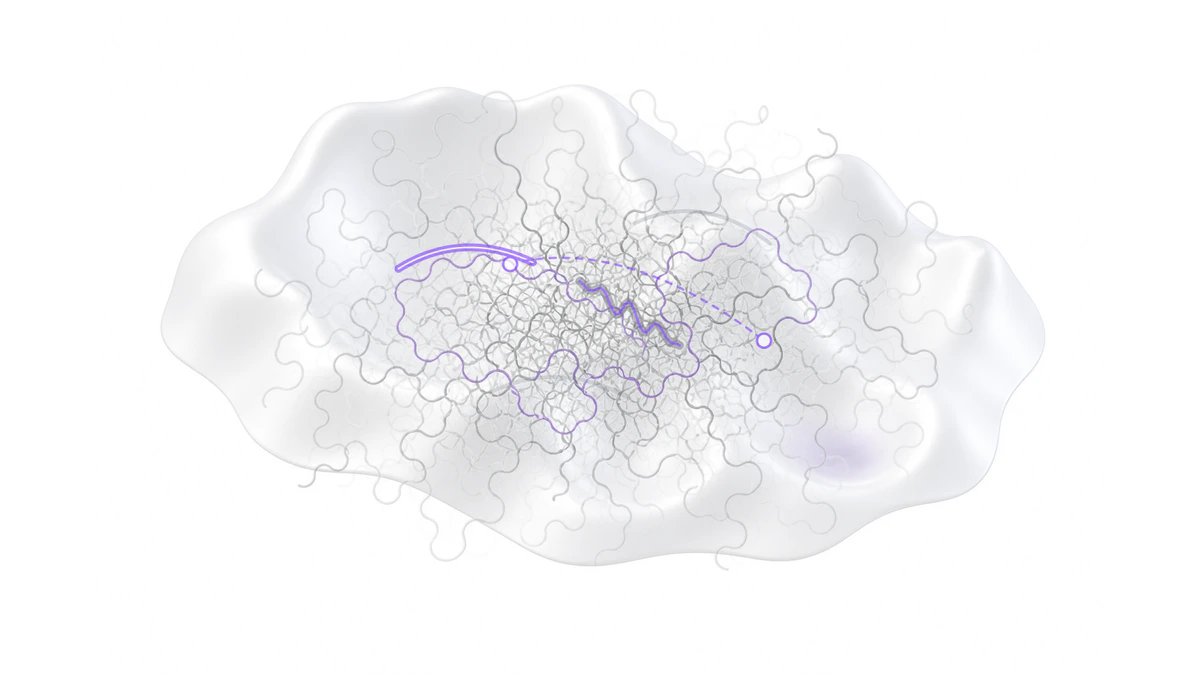
Experimental weights reshape basin populations without erasing the rare conformations already sampled by physics.

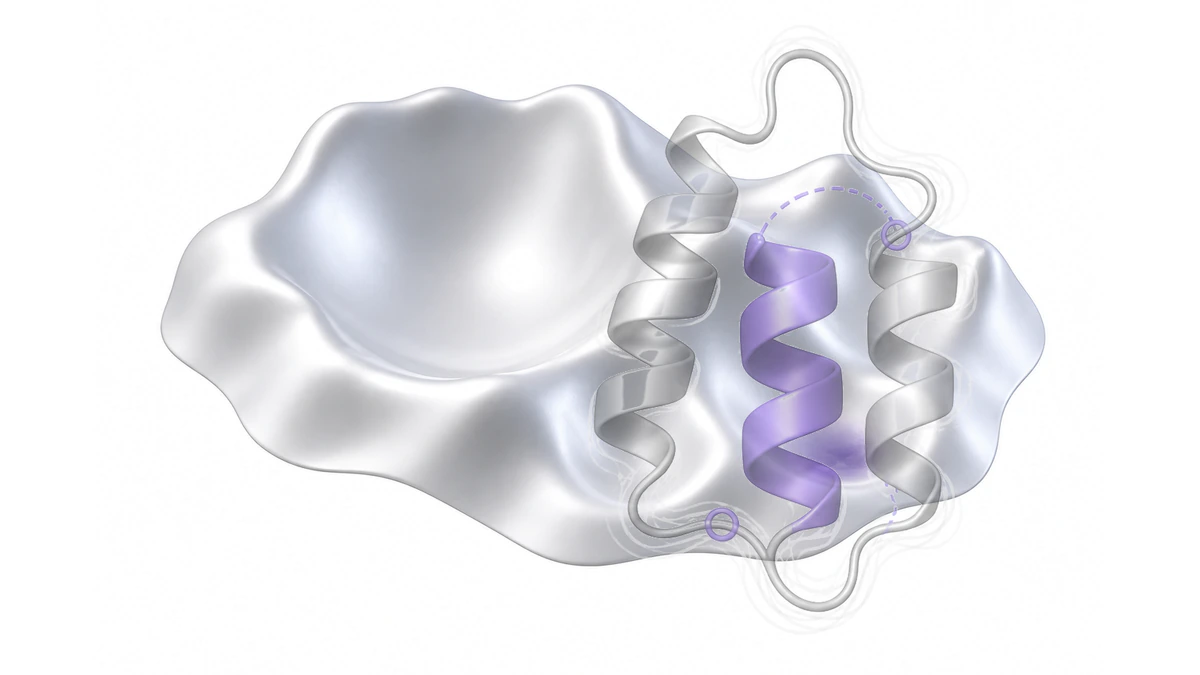
Reveal a supported rare subensemble

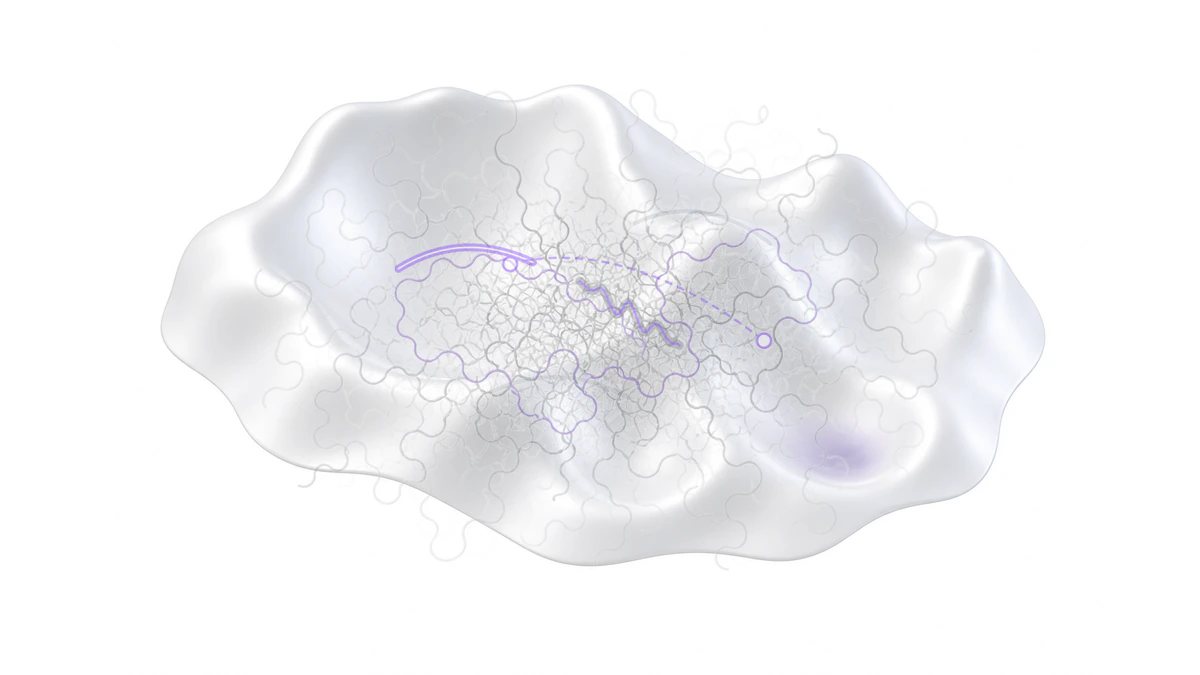
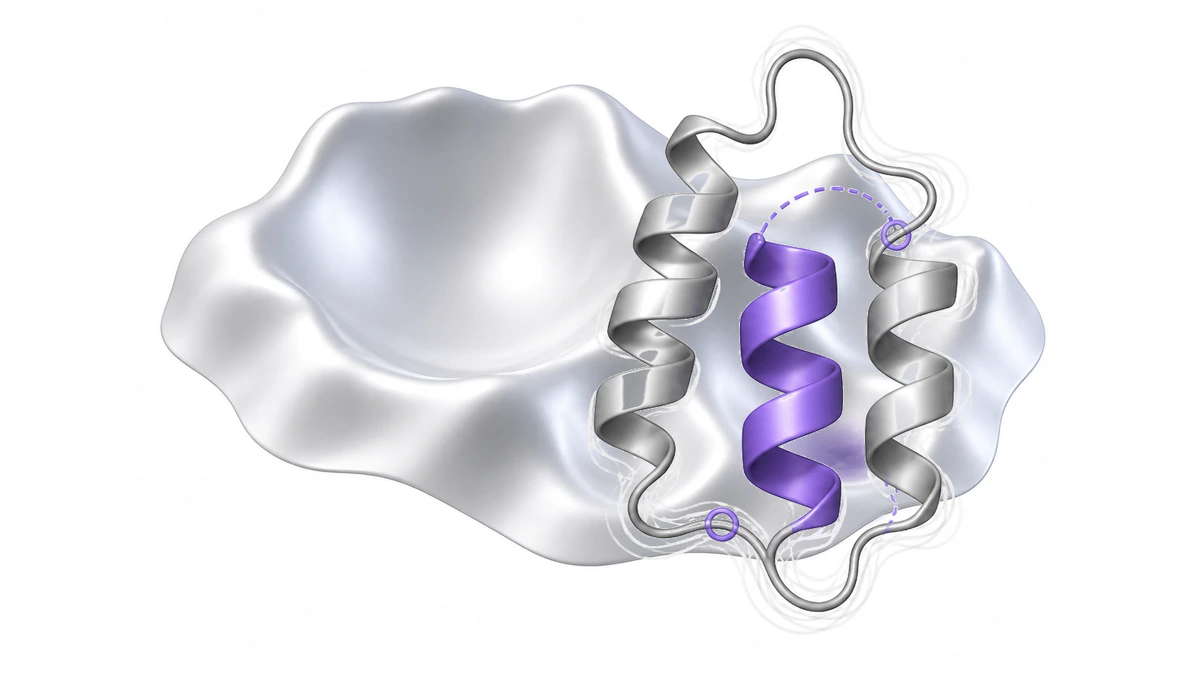
A compact folded subensemble remains part of the wider weighted population. Its transient helix and long-range contact agree with physics, HDX-MS, NMR, and EPR.

Ensemble gate

Agreement decides which states matter.

A simulated ensemble becomes useful only when its weighted populations reproduce independent measurements across timescales.

Simulation becomes an experimentally weighted ensemble

Experimentally constrained modeling evidence path

An OPES ensemble and solution measurements merge into physical plausibility, experimental agreement, and rare-state resolution gates. Supported populations remain in the ensemble, while disagreement returns the model to sampling and reweighting.

Generated ensemble

Population-weighted states

Enhanced sampling explores folded and disordered conformations, then reweighting estimates their populations at physiological conditions.

Modeled

Experimental observables

HDX-MS, NMR and EPR

Complementary measurements weight local exchange, secondary structure, long-range contacts, and dynamics without forcing one static structure.

Measured

Convergent evidence

Ensemble and experiment agree
  1. 01

    Physics

    Are the states thermodynamically coherent?

    Sampling and reweighting must support a plausible population under physiological conditions.

  2. 02

    Agreement

    Do orthogonal observables converge?

    HDX-MS, NMR, and EPR test the same population through complementary solution measurements.

  3. 03

    Resolution

    Do the weights resolve rare states?

    A supported minor population must remain physically sampled while improving agreement across experiments.

Evidence decision

Support the ensemble

Experimentally weighted states

Convergent measurements support a population map that includes both dominant and rare conformations.

Return to sampling

Reweight or resample

Disagreement redirects sampling, experimental restraints, or population weights before interpretation.

Refine sampling or weights

Weighted ensembles reveal testable rare states.

Experimentally supported populations expose transient structure that no single static model can represent.